
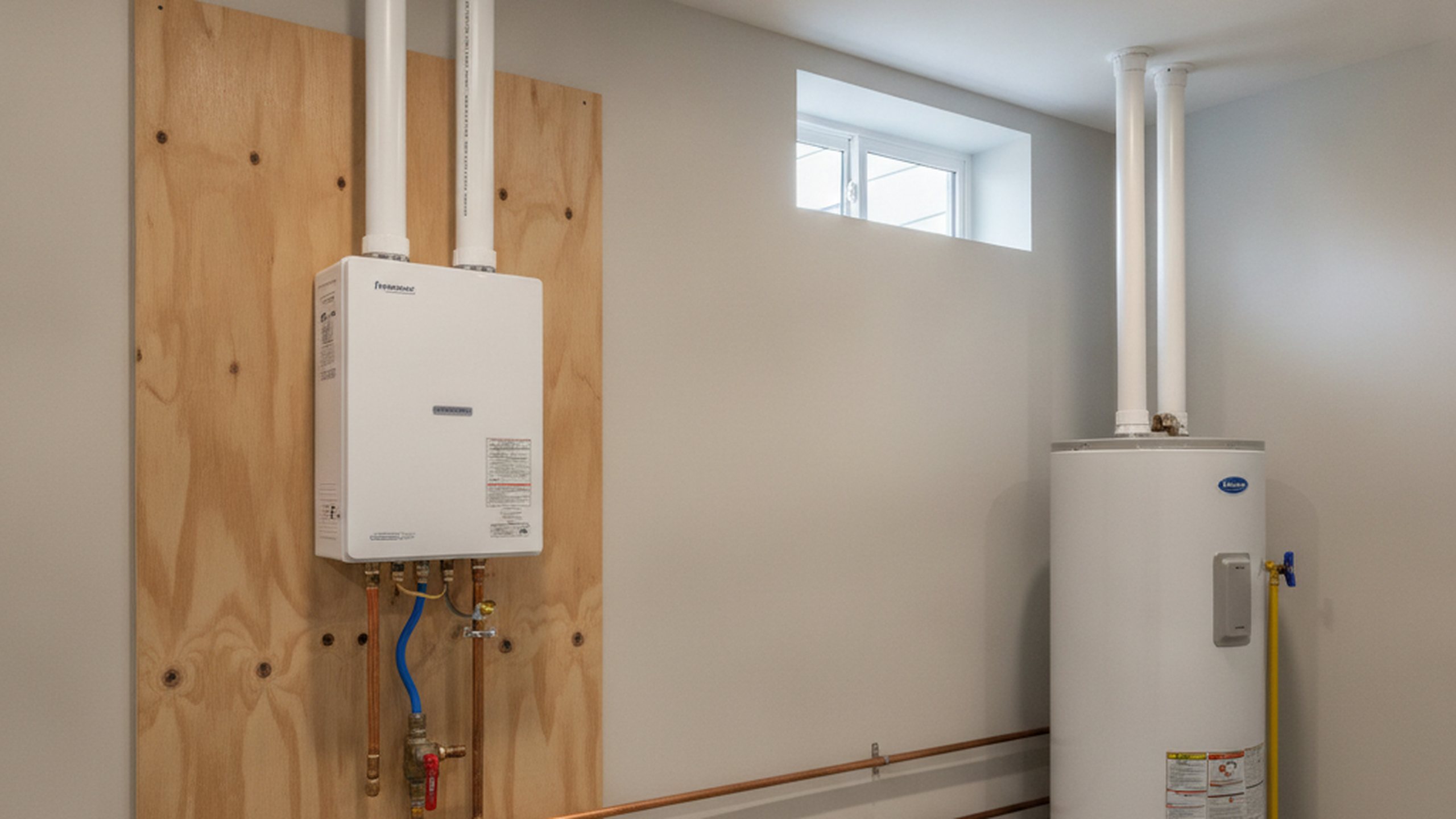
The short answer
A tank water heater is usually the simpler, lower-disruption replacement for a Chestermere home that already has one, while a tankless unit can use less energy and free up floor space but needs the right gas supply, venting and regular descaling to perform well. Which one fits depends on how many fixtures your household runs at the same time, what the existing installation can support, and whether you are prepared for the maintenance that local hard water brings.
Neither option is automatically better. A well-sized tank that suits the household will outperform a tankless unit that is undersized for peak demand, and the reverse is also true. The rest of this guide covers the questions that decide it, so the conversation about hot water heater replacement starts with the right information.
How each type works
A storage tank heater keeps a set volume of water hot at all times, ready for the next tap that opens. Once that stored water is used faster than the burner or elements can reheat it, the supply runs lukewarm until the tank recovers. The trade-off is standby heat loss: the tank is keeping water hot even overnight or while the house is empty.
A tankless (on-demand) heater has no storage. When a hot tap opens, water flows through a heat exchanger and is heated as it passes, so it does not run out the way a tank does. Its limit is flow rate rather than volume. Each unit can only raise the temperature of so many litres per minute, and on the coldest days the incoming water is colder, so that ceiling drops.
Start with how your household uses hot water
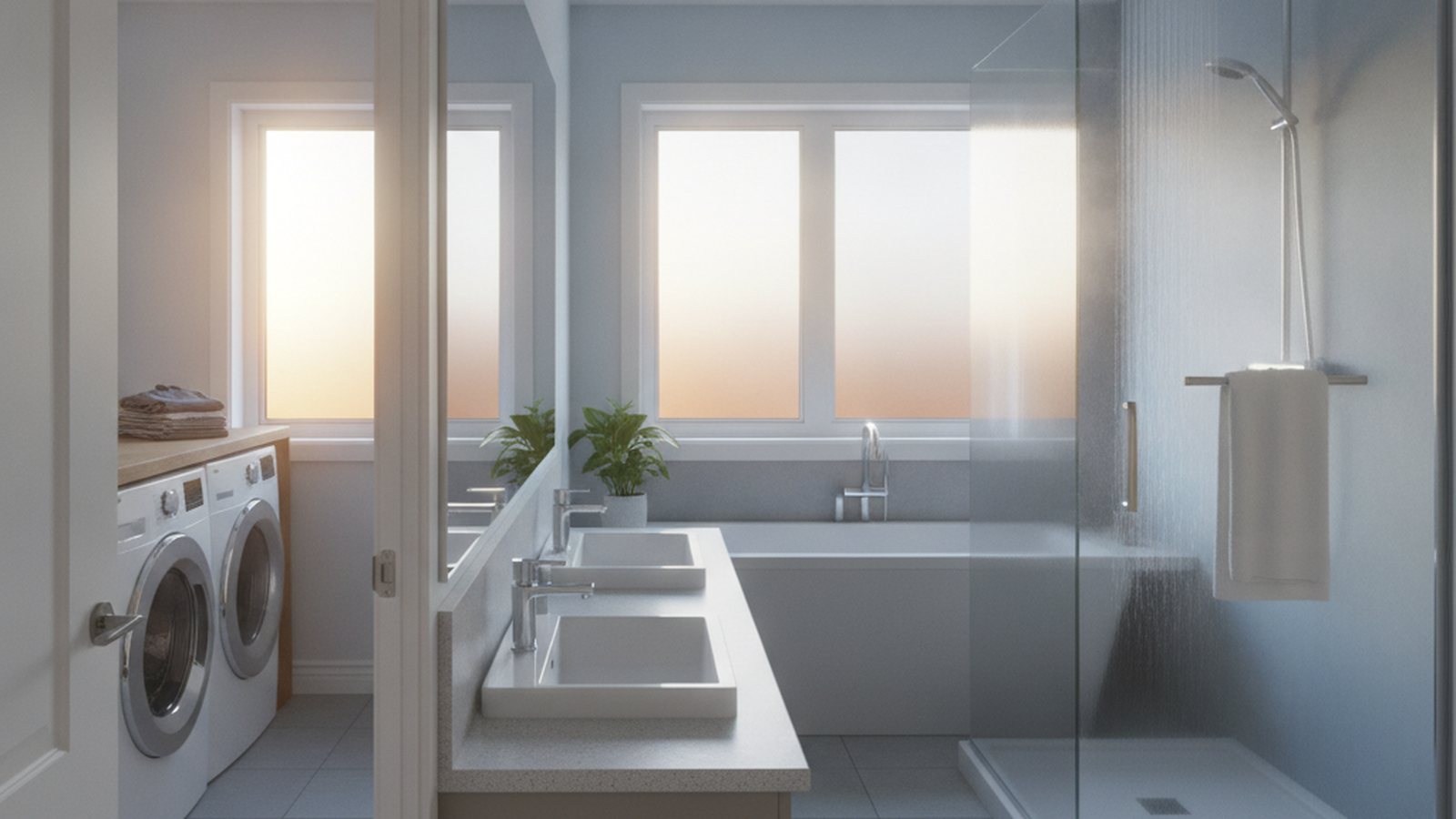
The most useful thing you can do before choosing is picture your busiest half hour. In many Chestermere homes that is a weekday morning: two showers running, a dishwasher finishing, maybe a load of laundry. The question is different for each type.
- For a tank: is the stored volume and recovery rate enough to get through that busy stretch without running cold?
- For a tankless unit: can it deliver the combined flow of every fixture running at once, at the temperature you want, when the incoming water is at its coldest?
A household with a large soaker tub or several simultaneous showers may find that a single tankless unit struggles at peak, even though it never runs out over a long, steady draw. A smaller household with spread-out use often suits tankless well. A tank that has been reliably covering your needs is also useful evidence: if it rarely runs cold, a like-for-like replacement is a sound option.
Energy use and what the savings depend on
Tankless units avoid most of the standby losses that come with keeping a tank hot. Natural Resources Canada states that an ENERGY STAR certified tankless water heater uses 30% less energy, on average, than a storage tank type.
That figure is an average, not a promise for any single home. Actual savings depend on how much hot water you use, the efficiency of the specific models being compared, and how well the unit is sized and maintained. A high-efficiency tank is also an option, and for some households the difference in operating cost will not outweigh the installation changes a tankless conversion requires. Treat the energy question as one factor alongside the others in this guide.
Hard water and maintenance in Chestermere
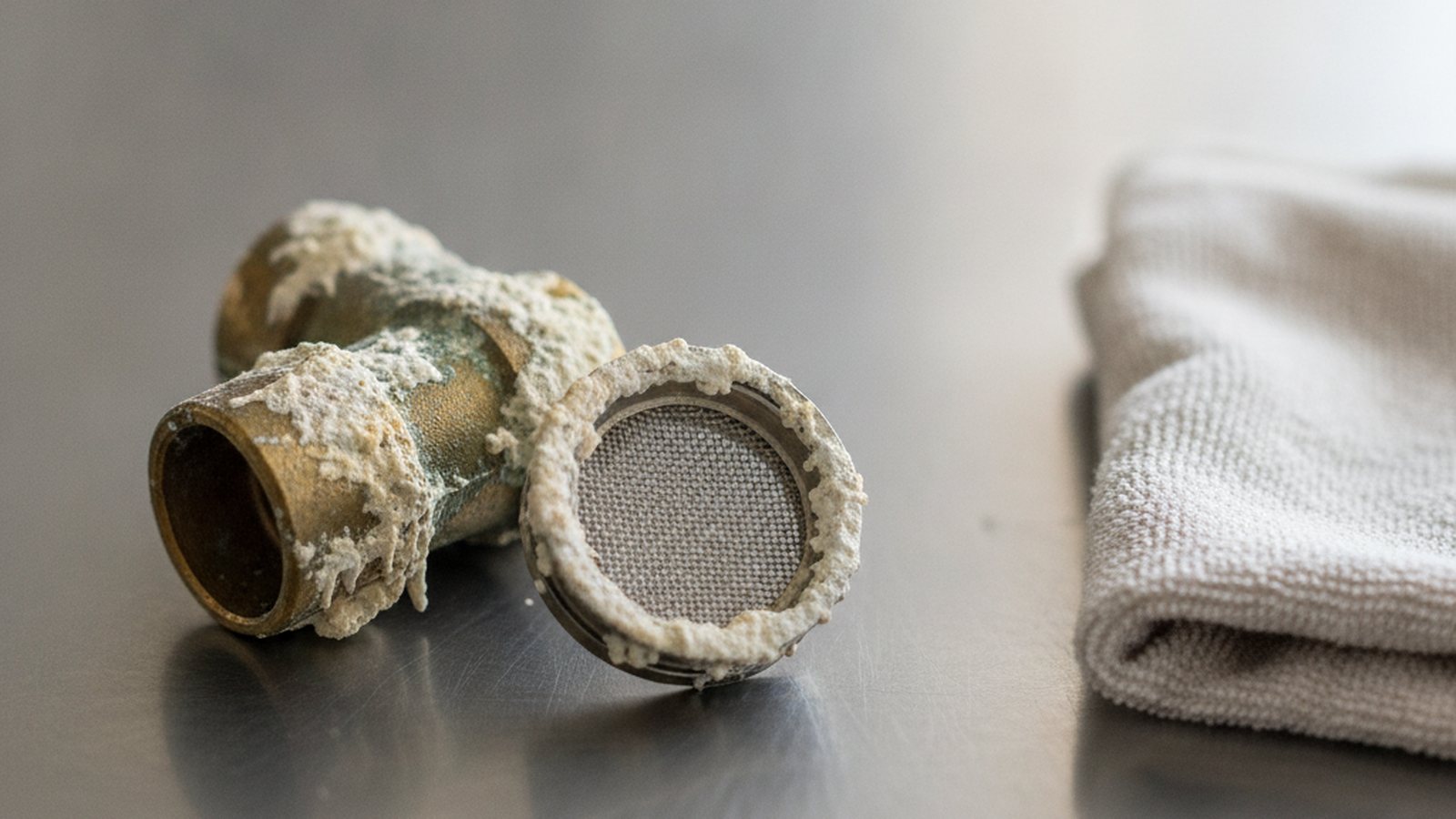
Chestermere receives its treated drinking water from the City of Calgary as a regional water customer. The City of Calgary reports hardness as calcium carbonate of 141 to 274 mg/L in its drinking water results, which is hard water by any common measure.
Hard water leaves mineral scale wherever water is heated. In a tank, it settles as sediment at the bottom, which can cause rumbling or popping and reduce efficiency over time; periodic flushing helps. In a tankless unit, scale forms inside the narrow passages of the heat exchanger, which is why manufacturers typically specify regular descaling. Skipping that maintenance can reduce output and lead to fault codes.
If you are leaning toward tankless, plan for descaling as a routine task, and ask whether the installation should include isolation valves that make service easier. A water softener or scale-reduction option may also be worth discussing, depending on the equipment and the home.
Space, venting and gas supply
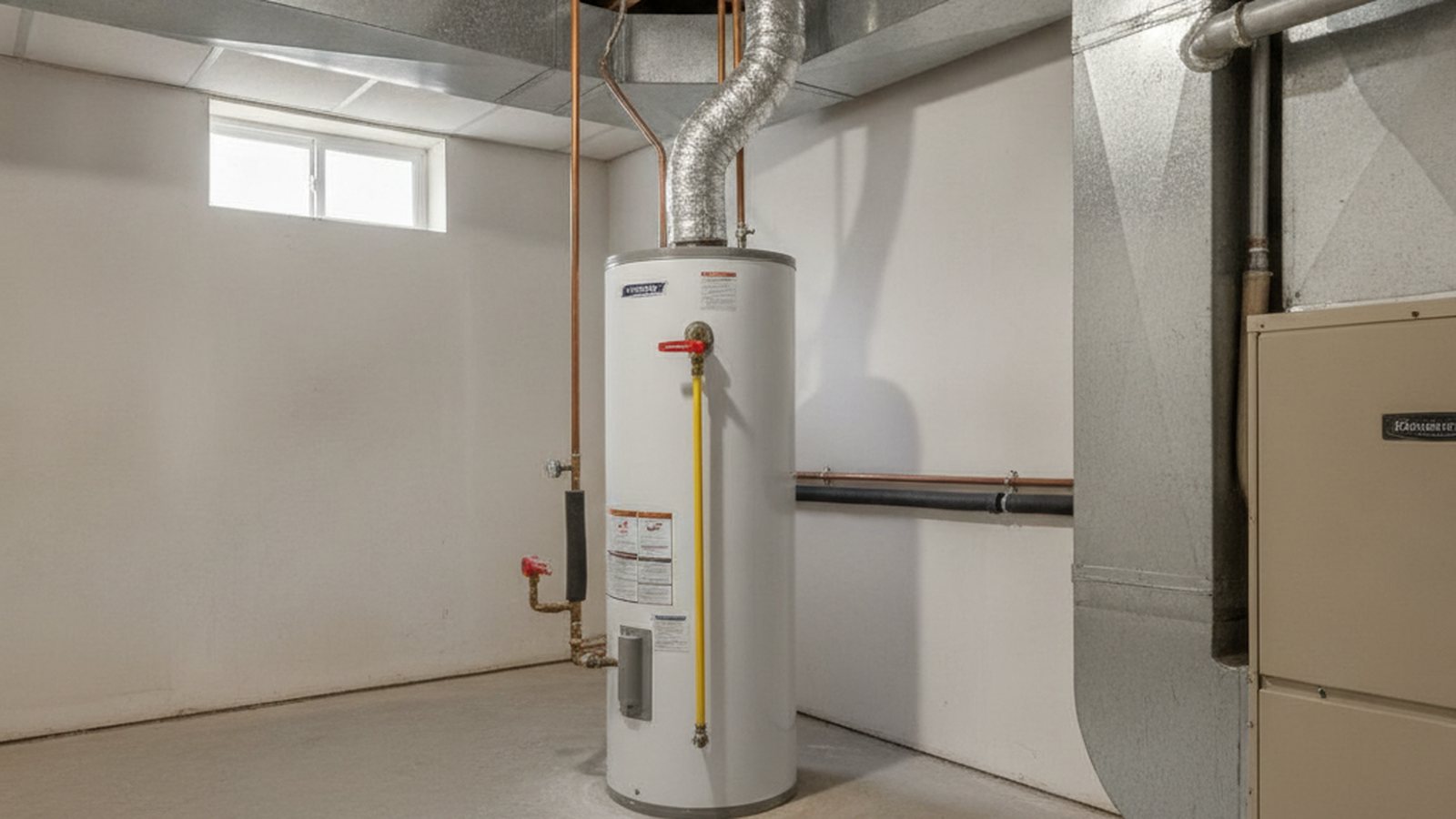
This is where many decisions are made for you. A tank-to-tank replacement can often reuse the existing location, connections and venting approach, subject to the new unit's requirements and current code. That keeps the job simpler and the disruption shorter.
A tankless gas unit mounts on the wall and frees up floor space, which appeals in a finished basement. It can, however, require changes that a tank swap does not:
- Gas supply: tankless units fire at a much higher input while running, so the existing gas line and meter capacity need to be checked.
- Venting: the unit's venting requirements may differ from the old tank's, which can mean a new vent route and exterior termination.
- Condensate: high-efficiency condensing models produce condensate that needs a suitable drain.
- Electrical: most gas tankless units need a power supply for controls and ignition.
None of these rules tankless out, but each adds scope. In winter, outdoor vent terminations also need to stay clear of drifting snow, the same way a high-efficiency furnace vent does.
Questions to ask before you replace
A useful replacement conversation covers more than the price of the unit. Before deciding, ask:
- What size or flow rate does my household actually need at peak, and how was that worked out?
- Can the existing gas line, venting and drain support the option being proposed, and what changes are included?
- What maintenance does the manufacturer specify, how often, and what happens to the manufacturer's coverage if it is skipped?
- What will be removed, what will be reused, and how will the new unit be tested before the job is complete?
If the current heater is only acting up rather than failing, it may also be worth having it assessed for hot water heater repair first. A failed thermostat or igniter is a different situation from a leaking tank, and replacement is not always the answer.
A local example
Consider a family in a newer Chestermere community with a finished basement, three bathrooms, and a 12-year-old gas tank that has started to rumble and occasionally runs short on busy mornings. A tankless unit would free up the space under the stairs, but it would need a gas supply check, a new vent route, and a plan for descaling in hard water. A larger or higher-recovery tank would reuse the existing setup. Both could work; the right answer depends on which trade-offs the family prefers, and a site assessment is what settles it.
Talk to Infinite Heating about your replacement
Infinite Heating is a licensed and insured HVAC team serving Chestermere and nearby communities since 2022. We can review your household's demand, the existing installation, fuel, venting and space, and explain which tank or tankless options suit your home. Financeit financing is available, subject to the provider's approval and terms.
Learn more about hot water heater replacement in Chestermere, or contact us with your current unit's details and the symptoms you are noticing.
This general information does not replace an on-site assessment by a qualified professional or the manufacturer's installation and maintenance instructions.