The short answer
A single-stage furnace has one setting, full output, so it switches fully on and fully off all winter. A two-stage furnace adds a lower setting it uses on milder days, and a modulating furnace adjusts its output in small steps to match how much heat the house needs at that moment.
For most Chestermere homes, the choice comes down to comfort, noise and how long you plan to stay in the house. Two-stage furnaces are the middle ground many families pick when they replace a furnace in Chestermere. Single-stage costs least up front, and modulating gives the steadiest heat. The rest of this guide explains the trade-offs so you can compare quotes with confidence.
How each type of furnace heats your home
Single-stage: full output or off
A single-stage furnace has one gas valve setting. When the thermostat calls for heat, the burner lights at full output and the blower moves air at the speed set for heating. When the house reaches the set temperature, everything shuts off. The house then cools until the thermostat calls again.
It is a simple, proven design with fewer parts to fail. The downside is that a furnace sized to keep up on the coldest January night is more furnace than you need on a mild October afternoon, so it runs in short bursts, with noticeable temperature swings between cycles.
Two-stage: a low setting for most of the season
A two-stage furnace has a gas valve with two settings. On most days it runs on the lower setting, longer and more gently. When the house needs more heat, such as during a cold snap or after you turn the thermostat up in the morning, it switches to full output.
Natural Resources Canada's Heating With Gas guide describes multi-stage furnaces as operating for most of the heating season with reduced heat output and lowered air flow, which leads to lower costs for running the circulating blower, better air circulation, quieter operation, and improved comfort and efficiency.
Modulating: small steps across a wide range
A modulating furnace adjusts its gas valve and blower in small increments rather than jumping between fixed settings. It aims to match the heat output to what the house is losing, so it can run for long stretches at a low, steady rate. The result is the most even temperature of the three, with the fewest noticeable on and off cycles. Modulating furnaces usually need a compatible thermostat or control to get the full benefit.
Comfort: temperature swings, drafts and hot and cold rooms
Comfort is where the differences are easiest to feel. Because a single-stage furnace always runs at full output, the air coming out of the registers is hot in short bursts, and the house tends to overshoot the thermostat slightly and then drift down before the next cycle. In a two-storey home, that often shows up as a warm upper floor and a cool basement.
A two-stage furnace spends most of its time on the lower setting, so it runs longer with a gentler flow of warm air. Longer run times keep air moving through the whole house, which helps even out the temperature between floors and rooms. A modulating furnace takes that further, holding the house close to the set temperature for most of the day.
Ductwork still matters. A furnace with more stages cannot fix ducts that are undersized, leaky or badly balanced. A good installer looks at the duct system as part of the quote and tells you whether it will let a two-stage or modulating furnace do its job.
Noise: what you hear from the furnace and the vents
Most of the sound you notice from a furnace comes from the burner lighting at full output and the blower ramping up. A single-stage furnace does that every cycle. Two-stage and modulating furnaces start on a lower setting, so the start-up is quieter and the air moving through the vents is softer for most of the winter.
If the furnace sits under a bedroom or beside a finished basement family room, that difference can matter more than anything on the spec sheet.
Running costs: gas, electricity and the blower motor
All three types are available as high-efficiency condensing furnaces. NRCan's guide notes that condensing gas furnaces have AFUE ratings of between 90 and 98 percent, and that only high-efficiency condensing furnaces with an AFUE of at least 95 percent qualify for ENERGY STAR. AFUE is the main number for gas efficiency, and it is shown on the EnerGuide label, so compare it directly between quotes.
Where stages matter most for running costs is the blower. The same guide explains that most two-stage furnaces use high-efficiency brushless DC blower motors (sometimes called ECM motors), and that a brushless DC motor can reduce furnace electrical energy consumption by more than 70 percent when used for continuous circulation. If you run the furnace fan all the time for air circulation or with an air cleaner, that matters.
What you will not get is a precise savings figure from the stage count alone. The real number depends on the AFUE of each model, the blower motor, your thermostat habits, how airtight the house is and your gas and electricity rates. A useful quote shows the AFUE and the blower motor type for each option so you can compare like with like.
Up-front price and repairs
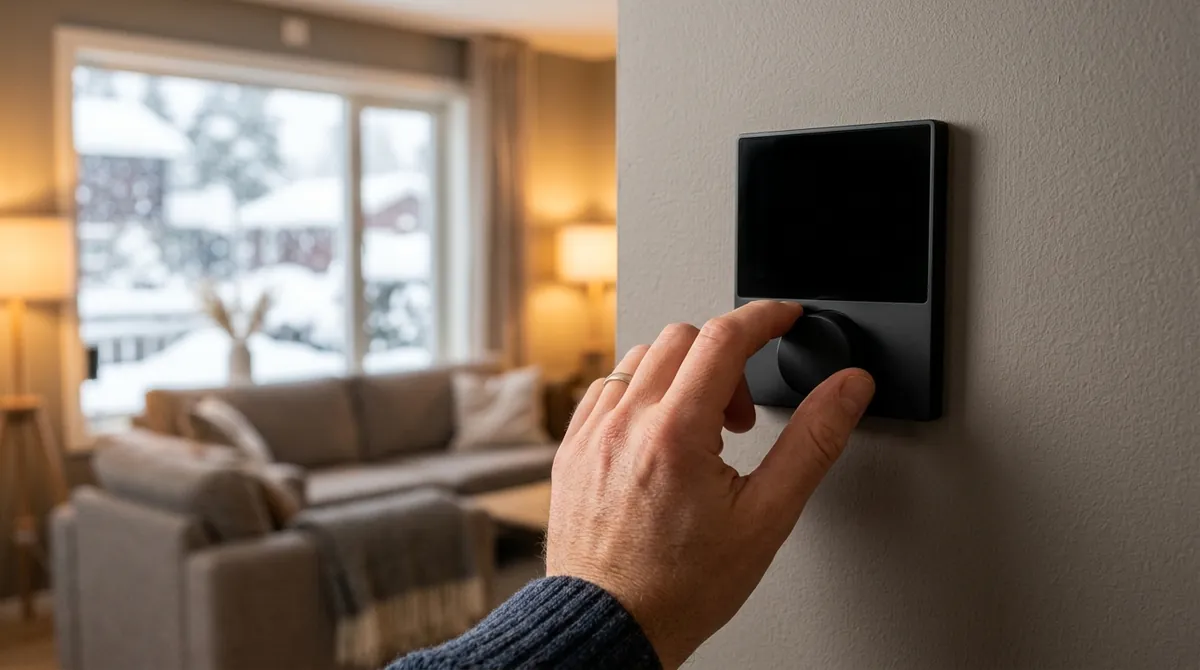
The purchase price generally rises with each step: single-stage is the least expensive to buy and install, two-stage costs more, and modulating costs the most. The gap is more than the furnace itself. A modulating furnace may need a new, compatible thermostat or communicating control, and any furnace replacement can involve venting, gas line, electrical and condensate drain work that varies from house to house. Our furnace replacement cost guide explains everything that goes into the total.
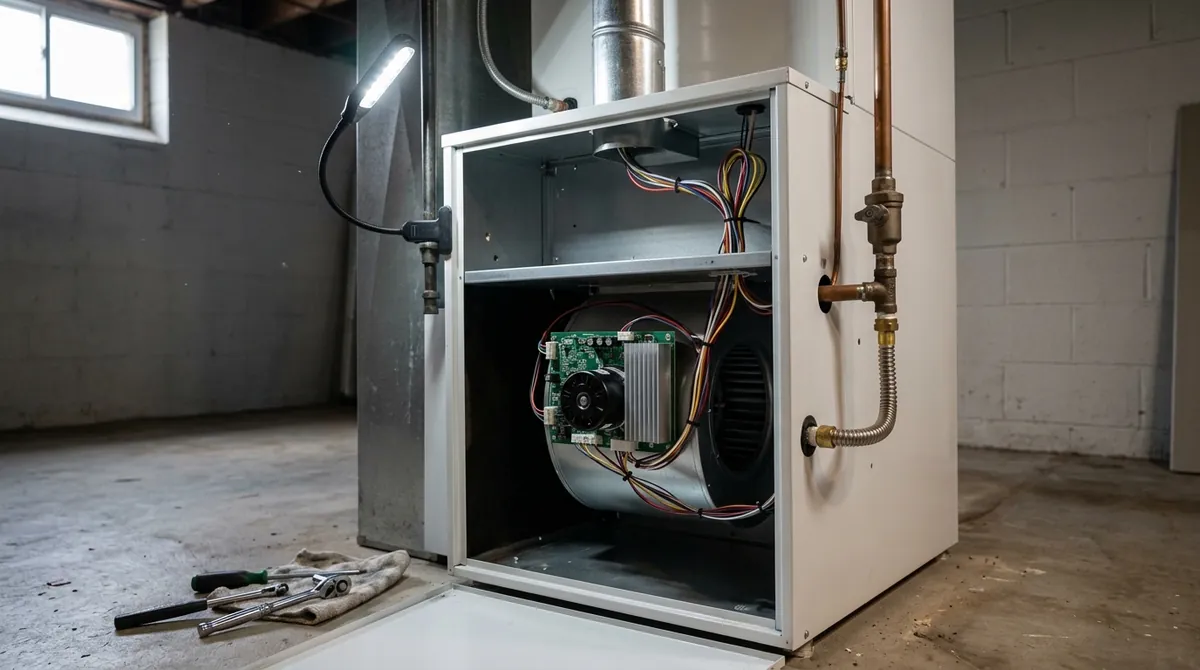
More stages also mean more controls. Two-stage and modulating furnaces have extra components such as a multi-stage gas valve and a variable-speed blower, so a repair can cost more than the same repair on a basic single-stage unit. Regular maintenance and a careful install keep that risk down, and the comfort gain usually outweighs it for families who plan to stay in the house.
If the up-front cost is what is holding you back, furnace financing through Financeit (subject to approval and terms) can spread the cost of a two-stage or modulating furnace over time.
Which one fits your Chestermere home?
There is no single right answer, but these patterns hold for most homes we see around Chestermere and east Calgary:
- Single-stage suits a smaller, simple home, a rental, a house you plan to sell in the next few years, or a tight budget where the priority is reliable heat at the lowest up-front price.
- Two-stage suits most family homes: a two-storey house with uneven floors, a finished basement, or anyone who wants quieter, steadier heat without paying for the top model.
- Modulating suits a larger or very well insulated home, a household that is sensitive to temperature swings or noise, or owners who plan to stay a long time and want the most even comfort.
Size matters as much as stages. A furnace that is too big for the house short cycles whatever kind it is, and loses most of the comfort benefit of a two-stage or modulating design. The quote should be based on a heat loss calculation for your home, not on the size of the old furnace.
Chestermere winters bring long stretches of cold with sudden swings when a chinook moves through. A two-stage or modulating furnace handles those swings well: it idles on its lower setting through the mild days and steps up only when the temperature drops hard. Our article on the signs you need a furnace replacement can help if you are still deciding whether to replace at all.
Questions to ask before you choose
- What heat loss calculation is the size based on? Ask to see it, or at least the result.
- What is the AFUE and blower motor type of each option? Compare those numbers, not just the brand names.
- Will my ductwork suit a two-stage or modulating furnace? If not, what would need to change?
- Do I need a new thermostat? Find out whether your current one can run both stages or full modulation.
- What is included in the price? Venting, gas line, condensate drain, permits and removal of the old furnace should all be listed.
- How is the installation warranty handled? Get the manufacturer and installer terms in writing.
Get a furnace replacement quote in Chestermere
Infinite Heating is a licensed and insured HVAC team based in Chestermere, serving Chestermere, Calgary, Airdrie, Strathmore and Okotoks since 2022. When we quote a furnace replacement, we size it to your home, explain the single-stage, two-stage and modulating options plainly, and show you what each one costs and what it will do. Furnace replacement estimates are free, and Financeit financing is available subject to approval.
Book a free estimate for furnace replacement in Chestermere or furnace replacement in Calgary, contact us, or call +1 403 899 3420.