
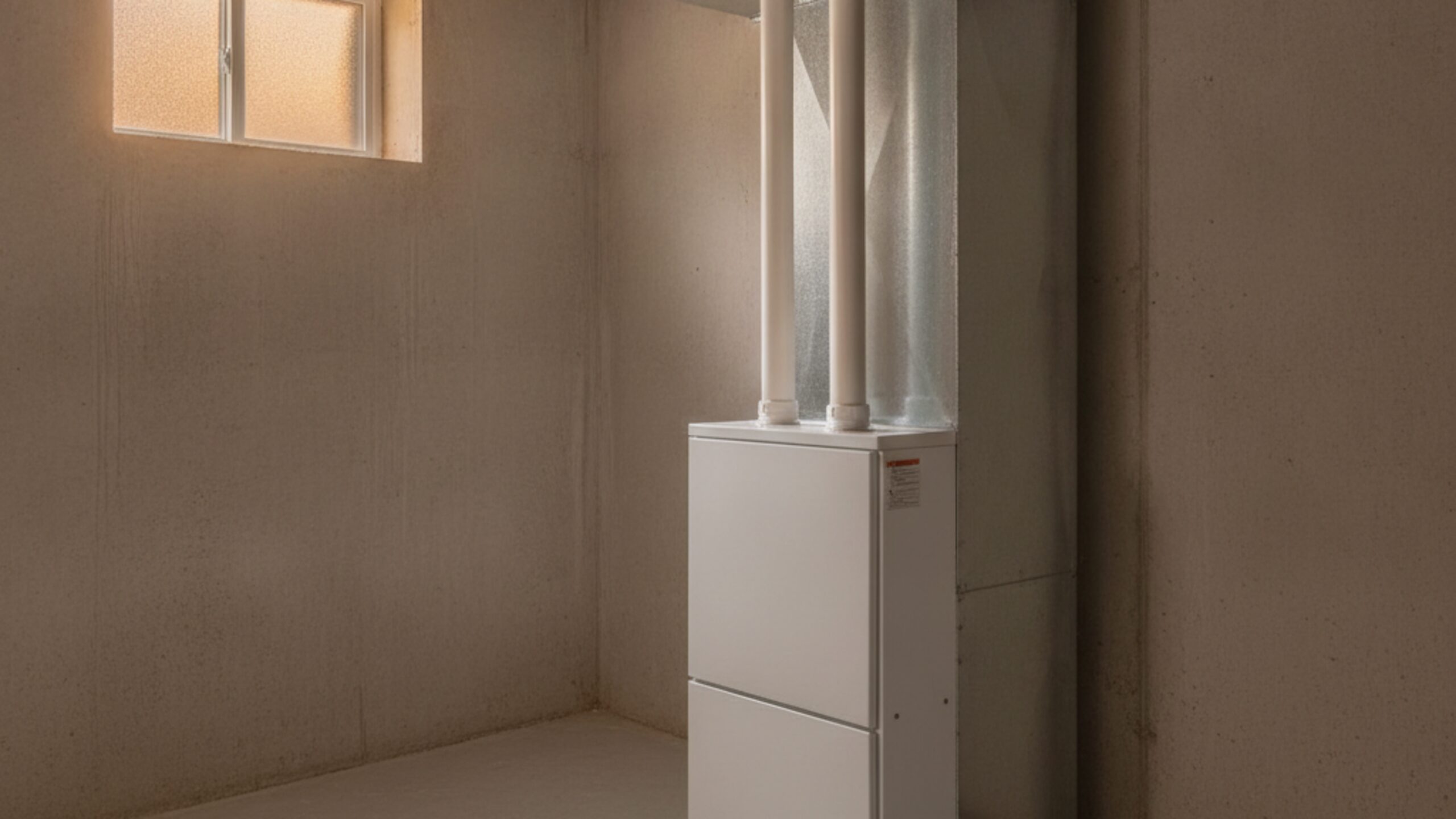
The short answer
Most furnace noises point to a specific part: a bang at start-up usually means delayed ignition or expanding ductwork, a squeal or screech usually means a worn blower belt or motor bearing, and a rattle usually means a loose panel, screw or fan component. A soft whoosh when the burners light and a quiet hum from the blower are normal; loud, new or changing sounds are not, and they are worth having a technician check before they turn into a no-heat call.
The first weeks of heating season in Chestermere are when these sounds tend to show up. A furnace that sat idle all summer starts working hard on the first cold nights, and anything that was loose, dry or dirty becomes audible. This guide walks through the common sounds, what usually causes them, and when to book furnace repair instead of waiting.
Sounds that are usually normal
Not every sound is a problem. A gas furnace goes through a predictable start-up sequence, and each step makes some noise:
- A click or two at the thermostat and the furnace when a heating call starts and ends. Relays and the gas valve open and close.
- The inducer motor starting, a steady whir for a short time before the burners light. It clears the heat exchanger before ignition.
- A soft whoosh as the burners light. It should be quiet and even, not a bang.
- The blower starting a short time after the burners, and running for a short time after they shut off.
- Light ticking from the ducts as the metal warms and cools. Sheet metal expands with heat.
Natural Resources Canada notes in its guide Heating with Gas that the ductwork that distributes hot air "may also transmit noise from the furnace and its circulating fan." In other words, a sound you hear in a bedroom vent may be coming from the basement, so it helps to stand near the furnace while it starts.
A slight dusty smell on the first cold day of the season is also common, as dust burns off the heat exchanger. It should fade within a short time. A smell that persists, or any smell of gas, is a different matter, which is covered below.
Banging or booming at start-up
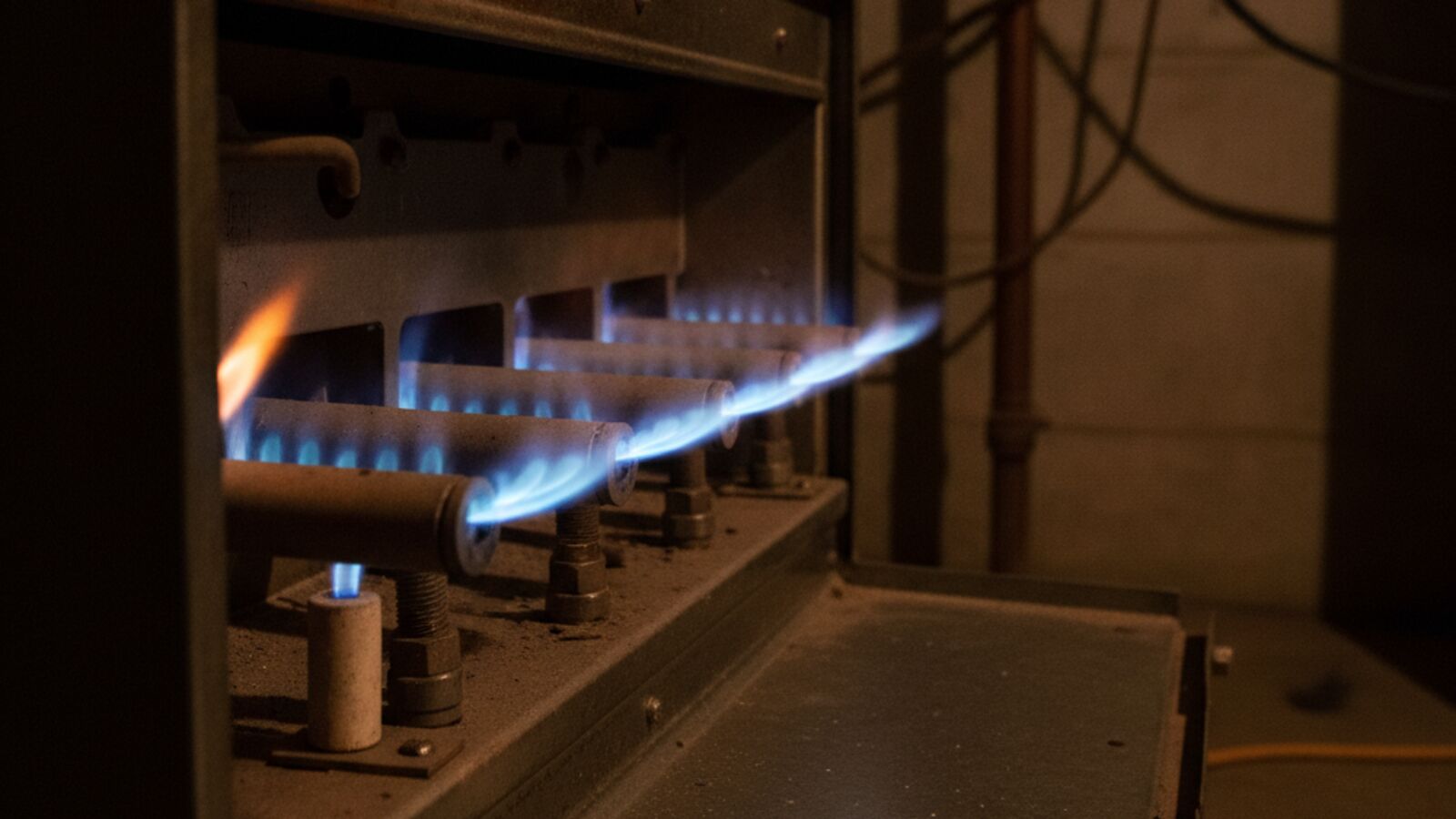
A single loud bang or boom when the burners light is the sound homeowners most often describe, and it deserves attention.
The most common cause is delayed ignition. Gas flows to the burners, but it does not light right away, so a small amount builds up before it ignites all at once. Dirty burners, a weak or failing igniter, or a flame sensor that needs cleaning can all cause it. Repeated delayed ignition puts stress on the heat exchanger over time, so it is not a sound to live with.
A different, milder pop or bang can come from ductwork flexing as it heats and cools, often called oil-canning. It usually happens in one spot along a long duct run, slightly after the blower starts or stops. It is not a safety problem, but it can sometimes be reduced by adjusting airflow or securing the duct.
If you are not sure which it is, listen at the furnace. A bang from inside the cabinet at the moment the burners light points to ignition. A pop from the ducts a short time later points to expansion.
Squealing, screeching or grinding
High-pitched sounds usually come from the blower assembly, the part that moves air through your home.
- Squealing on older furnaces with a belt-driven blower often means the belt is worn, glazed or loose.
- Screeching or whining on newer, direct-drive furnaces usually points to the blower motor bearings.
- Grinding or scraping suggests metal contacting metal, such as failing bearings or a blower wheel rubbing its housing.
A squeal that comes and goes may be a belt or bearing in the early stages. A grinding sound is more urgent: if a motor seizes, the furnace can shut down entirely on a cold night. Turning the thermostat down and calling for a repair is better than letting it run until it stops.
The inducer motor, which vents combustion gases, can also whine or rattle when its bearings wear. Because it is part of the safe venting of combustion gases, a noisy inducer should be checked rather than ignored.
Rattling, buzzing and humming
Rattles are often the simplest fix, but they are worth tracking down.
- A loose access panel or screw on the furnace cabinet can rattle every time the blower runs.
- Loose ductwork or a loose register can buzz or rattle in a particular room.
- Debris or a loose part in the blower wheel can cause a rhythmic rattle that changes with fan speed.
A low, steady hum from the blower is normal. A loud electrical hum or buzz from the control area is not. It can point to a failing transformer, relay or capacitor, or a motor struggling to start. Electrical components inside the furnace should be left to a technician; do not open the cabinet to look for the source while the power is on.
Clicking that keeps repeating
One or two clicks at the start and end of a cycle are normal. Repeated clicking without the burners lighting usually means the furnace is trying to ignite and failing. The igniter, the flame sensor, the gas valve or a safety switch may be involved, and most modern furnaces will lock out after a few failed attempts.
A furnace that clicks, tries, and then gives up is close to a no-heat situation. If that happens, note any blinking light code visible through the window in the furnace door before you call. That code tells the technician which safety control tripped.
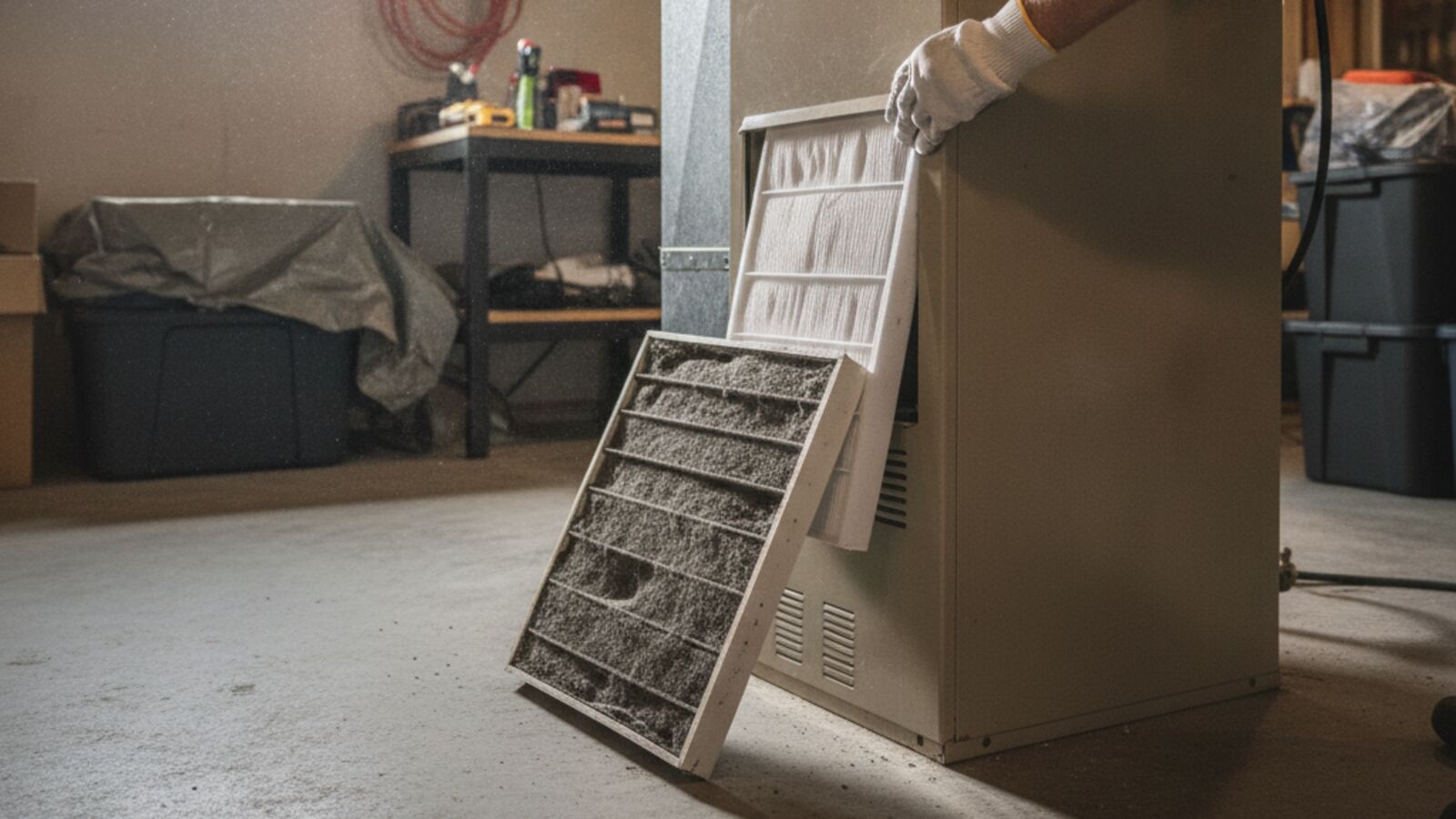
A whistle or roar of air is a related symptom. It often means the furnace is short of airflow, most commonly from a clogged filter, closed or blocked return grilles, or a duct restriction. Checking and replacing the filter is a simple homeowner task and a good first step for any airflow-related noise.
When a noise means shut it off and call now
Some situations are not about diagnosing a sound at all. Natural Resources Canada advises that combustion products may contain deadly carbon monoxide (CO), and that if your CO detector goes off you should "leave your home immediately, call your gas distribution company and seek medical attention."
Treat these as urgent:
- A smell of gas (often described as rotten eggs). Leave the house without switching lights or appliances on or off, and call your gas utility from outside.
- A CO alarm, or household members with flu-like symptoms such as headache, nausea or dizziness that ease when they leave the house.
- Repeated loud bangs at ignition, especially with a smell of exhaust or soot marks near the furnace.
- A burning electrical smell, smoke, or a loud hum followed by the furnace shutting down.
Once the home is safe and the utility has done what it needs to do, the furnace still needs a repair before it goes back into service. Infinite Heating offers 24/7 emergency service for furnace repair in Chestermere and Calgary for exactly these situations.
What to check before you call
For non-urgent noises, a few simple checks can save time on the visit:
- Note when the sound happens: at the thermostat click, when the inducer starts, when the burners light, when the blower starts, or during the whole cycle.
- Note where it comes from: inside the furnace cabinet, in the ducts near the furnace, or in one particular room.
- Check the air filter. A dirty filter restricts airflow and can make the system louder and work harder.
- Make sure supply and return grilles are open and not blocked by furniture or rugs.
- Look for a blinking light code through the furnace door window, and write it down.
Leave the rest to a technician. Removing burner covers, testing electrical parts or adjusting the gas valve can create the very hazards the furnace's safety controls are designed to prevent.
Why noises often start in the fall
In Chestermere, the first cold nights of October are often the first time a furnace has run in months. Bearings that dried out over summer, a belt that stiffened, a flame sensor that collected residue, and dust on the burners all show up together. That is also why the start of the season is the best time to deal with a new noise. A worn motor or failing igniter that squeals in October can fail completely during a January cold snap, when every heating company in the area is busiest.
Regular furnace maintenance catches many of these problems early. NRCan lists the tasks a serviceperson should carry out during regular maintenance, including inspecting the combustion and vent systems, checking the condition of the heat exchanger and the safety controls, checking and cleaning the fan wheels, and cleaning or replacing the air filter.
If a noise turns out to be a sign of a much older furnace near the end of its life, our guide to the signs you need a furnace replacement explains how to weigh a repair against a new system.
Book furnace repair in Chestermere
Infinite Heating is a licensed and insured team that has served Chestermere and nearby communities since 2022. We diagnose banging, squealing, rattling, humming and clicking furnaces, explain what is causing the sound, and recommend a repair only when it is needed. Furnace repairs carry a one-year parts and labour warranty, and 24/7 emergency service is available for furnace repair.
Learn more about furnace repair in Chestermere, or contact us with a description of the sound, when it happens, and any light code you see on the furnace.
This general information does not replace an on-site assessment by a qualified professional or the manufacturer's instructions for your furnace. If you smell gas or your CO alarm sounds, leave the home and call your gas utility first.