The short answer
A light, dusty burning smell when you turn the furnace on for the first time in the fall is usually dust burning off the heat exchanger and burners, and it should clear within about an hour. A smell of hot plastic, rubber, electrical burning, oil or soot, a smell that keeps coming back, or a rotten-egg smell is not normal, and it means the furnace needs to be shut off and checked.
The type of smell tells you a lot about what is going on inside the cabinet. This guide goes through the common furnace smells we get called about in Chestermere and Calgary homes, what each one usually means, what you can safely check yourself, and when to book furnace repair in Chestermere or call for help right away.
First: if you smell gas or your CO alarm sounds
Two situations come before everything else in this guide.
- A rotten-egg or sulphur smell. Natural gas has no smell of its own. The utility adds an odourant so that a leak smells like rotten eggs. If you notice it near the furnace or anywhere in the house, do not touch light switches, the thermostat or the furnace. Leave the home, then call your gas utility's emergency line or 911 from outside. Do not go back in until you are told it is safe.
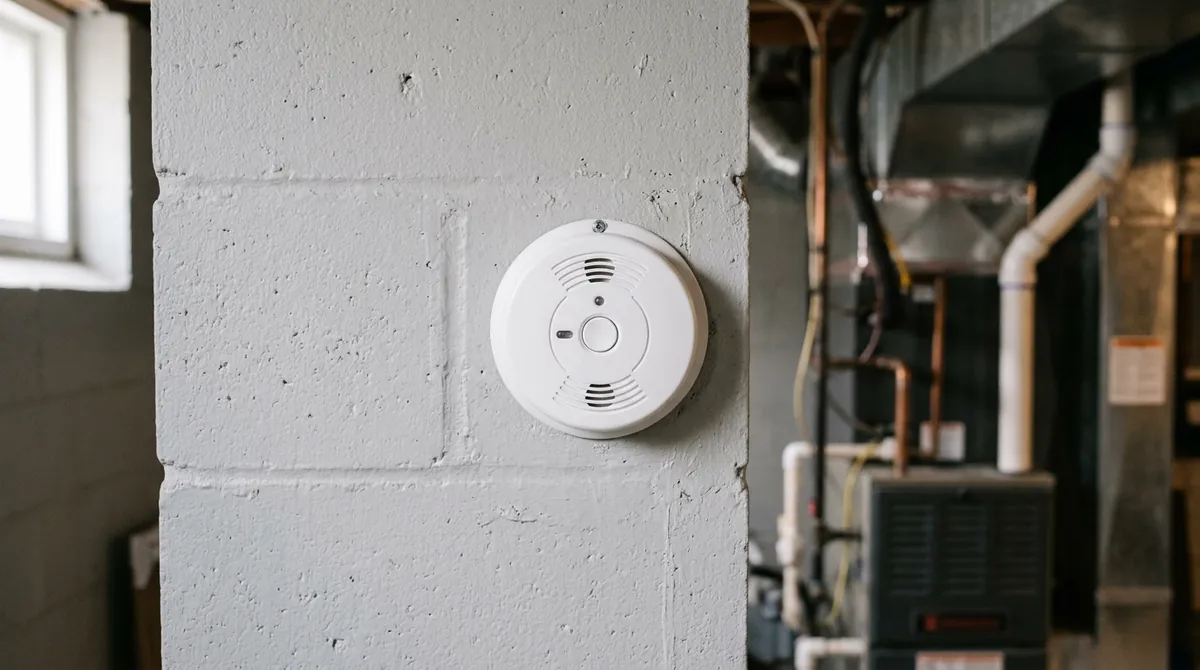
- A carbon monoxide (CO) alarm. Carbon monoxide has no smell at all, so your nose will not warn you. Health Canada's carbon monoxide guidance lists heating appliances "such as a furnace" among the common sources of CO in a home, and its advice when an alarm sounds is to "Leave the building immediately," "Call 9-1-1" and "Do not re-enter."
Once the gas utility or the fire department has made the home safe, the furnace still needs a qualified technician to find the cause before it runs again.
A dusty burning smell at the start of the heating season
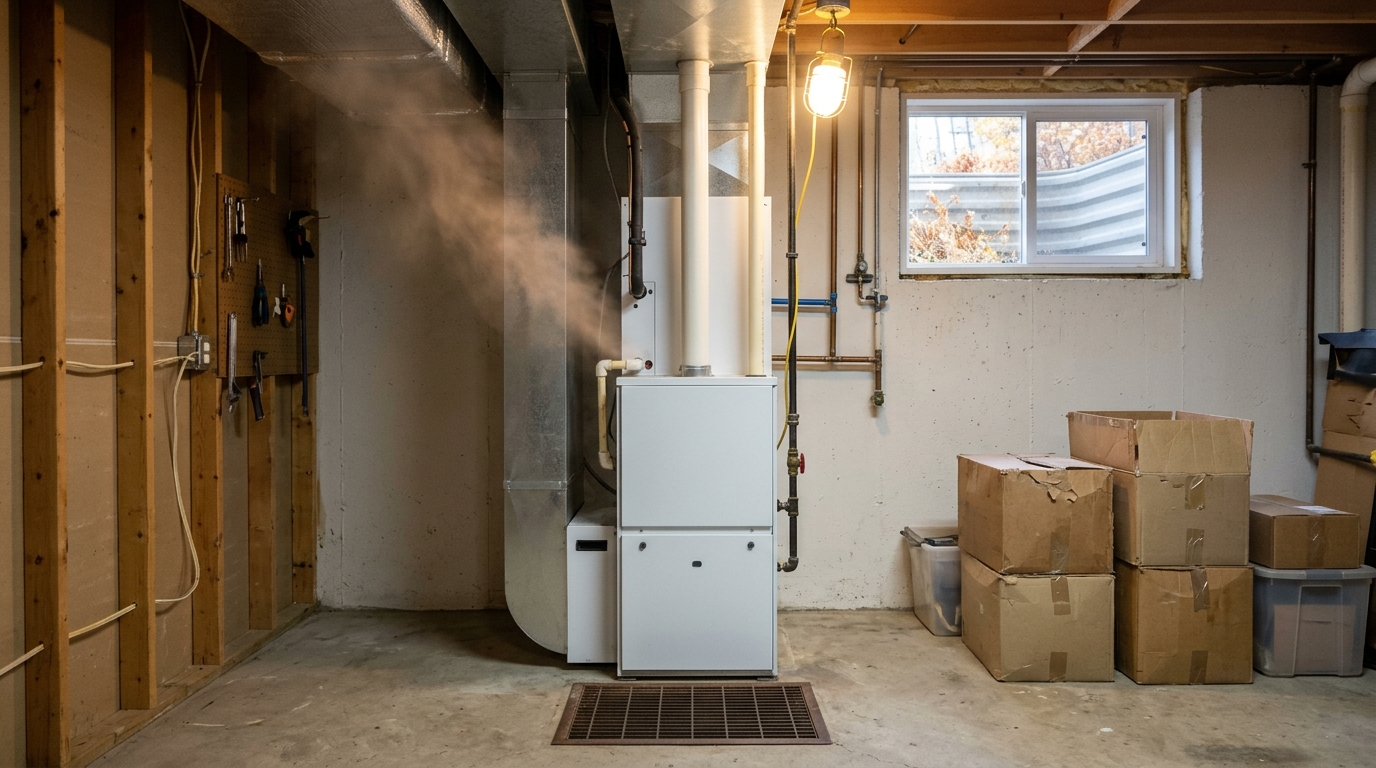
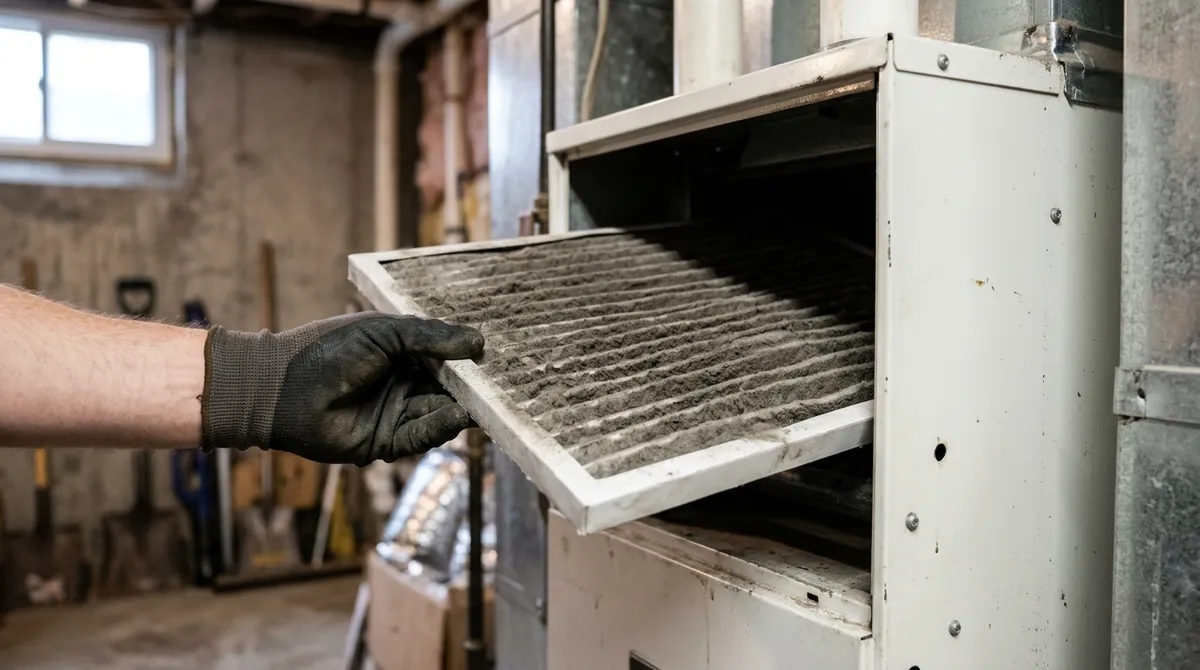
This is the smell most people notice, and it is usually harmless. Over the summer, a thin layer of dust settles on the burners, the heat exchanger and inside the ductwork. The first few times the furnace fires in the fall, that dust heats up and burns off, and you smell it at the registers.
Carrier, the furnace manufacturer, explains it the same way in its guide to furnace burning smells: the components "heat up quickly and can cause a burning smell from your heat registers as the dust burns off." It also gives a useful rule of thumb. If the smell "continues for more than an hour, it's time to check your furnace."
In Chestermere and Calgary, this smell tends to show up during the first cold snap of late October or November, when people switch from the odd cool evening to running the furnace all day. A few things help it clear faster:
- Change the filter before you start the heat. A filter that sat dirty all summer keeps feeding dust into the system.
- Open a window for a short while if the smell bothers you. It should fade quickly once the dust is gone.
- Check the area around the furnace. Storage boxes, laundry or anything left against the cabinet over the summer should be moved well away.
If the dusty smell is still there after an hour of running, or it comes back every time the furnace starts, the cause is something other than seasonal dust.
Burning plastic or rubber
A sharp smell of melting plastic or rubber is never something to wait out. Common causes include:
- Something touching a hot surface. A plastic toy, a bag or a stored item can fall into a floor register or sit against the furnace cabinet or the vent pipe.
- A failing part inside the furnace. Wire insulation, a drive belt on an older blower, or a plastic component near a hot area can start to melt.
- An overheating blower motor. A motor that is struggling can heat its own wiring and housing.
Carrier's advice for a burning plastic smell coming from the furnace is direct: "shut off the power and contact an HVAC technician to have it inspected." Turn the thermostat off, switch off the furnace at its service switch (usually a light switch on or near the unit), and check the registers for anything that has fallen in. Do not run the furnace again until the source is found.
An electrical or hot-metal smell
An electrical burning smell, sometimes described as hot metal, burnt wiring or a sharp "ozone" smell, usually points to the electrical side of the furnace:
- A blower motor that is overheating or failing. Worn bearings make the motor work harder and run hot. You may also hear a hum or a grinding noise.
- A loose or damaged wire connection, which can heat up and char.
- A failing capacitor or control board component.
Carrier's guidance here is to stop using the furnace "until a Carrier HVAC technician can inspect the system." Any qualified technician can do that check. Turn the furnace off at the thermostat and at the service switch, and book a repair. An electrical smell combined with the furnace shutting off on its own, or a breaker that keeps tripping, is a reason to call sooner rather than later.
A smoky, oily or soot smell
A smoky or oily smell, or black soot around the furnace, the vent pipe or the registers, can mean the burners are not burning cleanly or that exhaust is not leaving the home the way it should. Possible causes include:
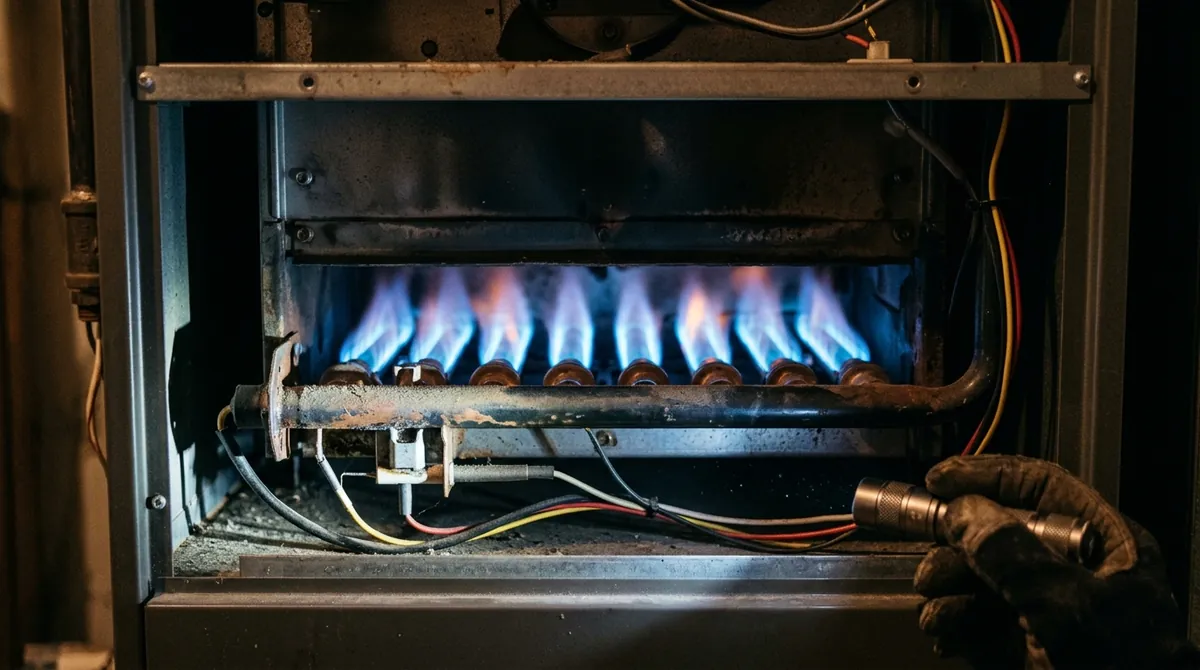
- A dirty or misadjusted burner, which can produce soot and a yellow or orange flame instead of a steady blue one
- A blocked or disconnected vent pipe, or an outdoor intake or exhaust pipe packed with snow or ice
- A cracked heat exchanger, which can let combustion gases mix with the air the furnace sends through the house
All of these can be linked to carbon monoxide, so treat this smell seriously. Shut the furnace off, make sure your CO alarms are working, and book a technician to inspect the combustion and venting. After a heavy snowfall in Chestermere, it is also worth checking that the white plastic pipes on the side of the house are clear. A blocked pipe usually shuts a high-efficiency furnace off, but it should be checked by a technician if it keeps happening.
A musty or mildew smell
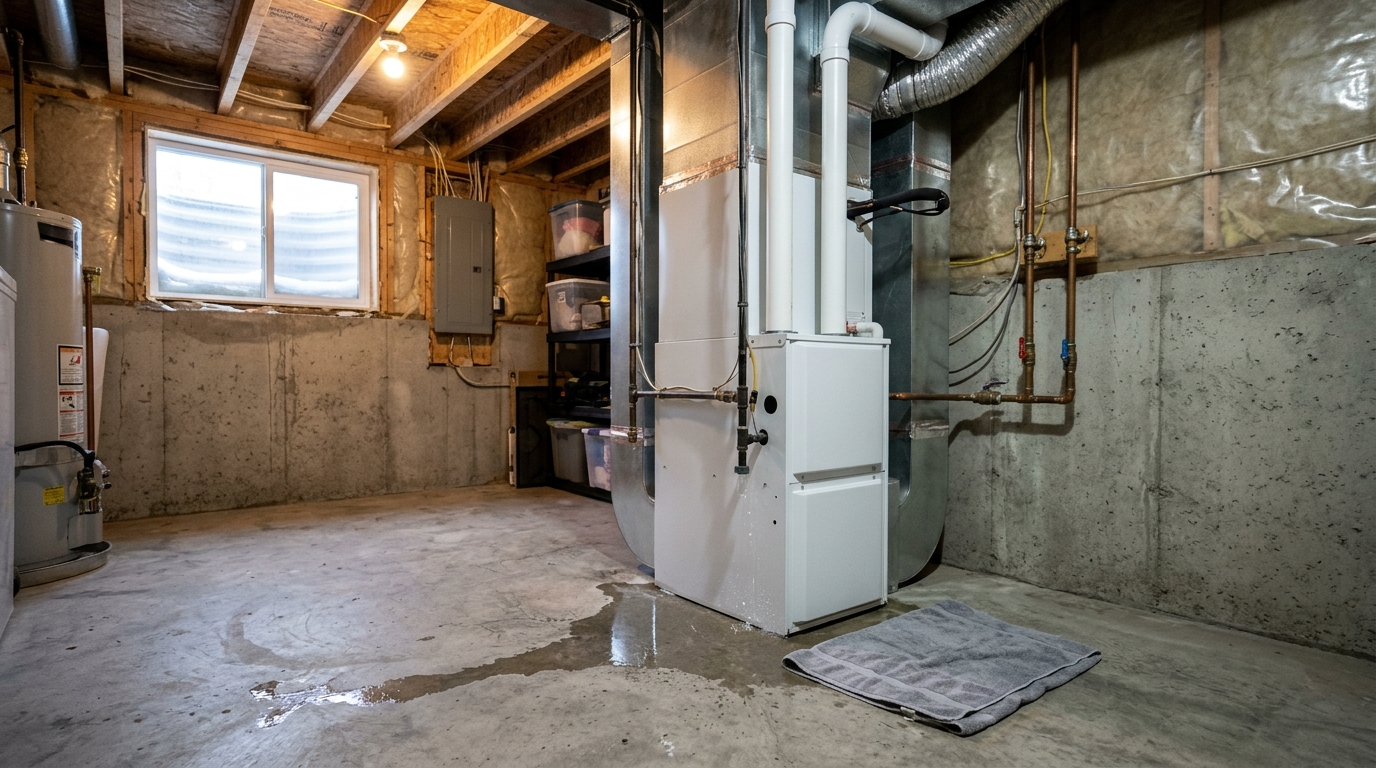
A damp, musty smell when the furnace runs is not a burning smell, but it is one people often ask about. On a high-efficiency furnace, a common cause is the condensate system: the trap, drain line or pump that carries water away from the furnace can clog, back up and leave standing water. Moisture around the furnace, a wet floor or a furnace that shuts off after a few minutes are other signs. Our guide to a furnace leaking water covers what to check. A filter that has not been changed in a long time can also give the air a stale smell.
What to do when you notice a furnace smell
A simple order to follow:
- Rotten eggs or a CO alarm: leave the home first, then call from outside. Nothing else on this list applies until the home is cleared.
- Burning plastic, electrical or smoky smells: turn the furnace off at the thermostat and the service switch.
- Check the obvious things you can safely reach: the filter, the area around the furnace and the floor registers.
- Note what you noticed: what the smell was like, where it was strongest, when it started, and whether it happens every time the furnace starts or only now and then. That helps the technician find the cause faster.
- Call for a repair if the smell is anything other than a short dusty smell at the start of the season.
When a furnace smell is an emergency in winter
In a Chestermere or Calgary cold snap, a furnace that has to be shut off is a problem in its own right. A smell that forces you to turn the furnace off on a cold night, especially with young children or older family members at home, is a good reason to call for emergency service rather than wait for a daytime appointment. Our guide to no heat and 24-hour furnace repair in Calgary explains how to keep the house warm and safe while you wait.
If the smell was the short, dusty kind and the furnace is heating normally, there is no need for an emergency call. Booking a regular visit, or a furnace tune-up in Chestermere if the furnace has not been serviced this year, is the better choice.
How a technician tracks down a furnace smell
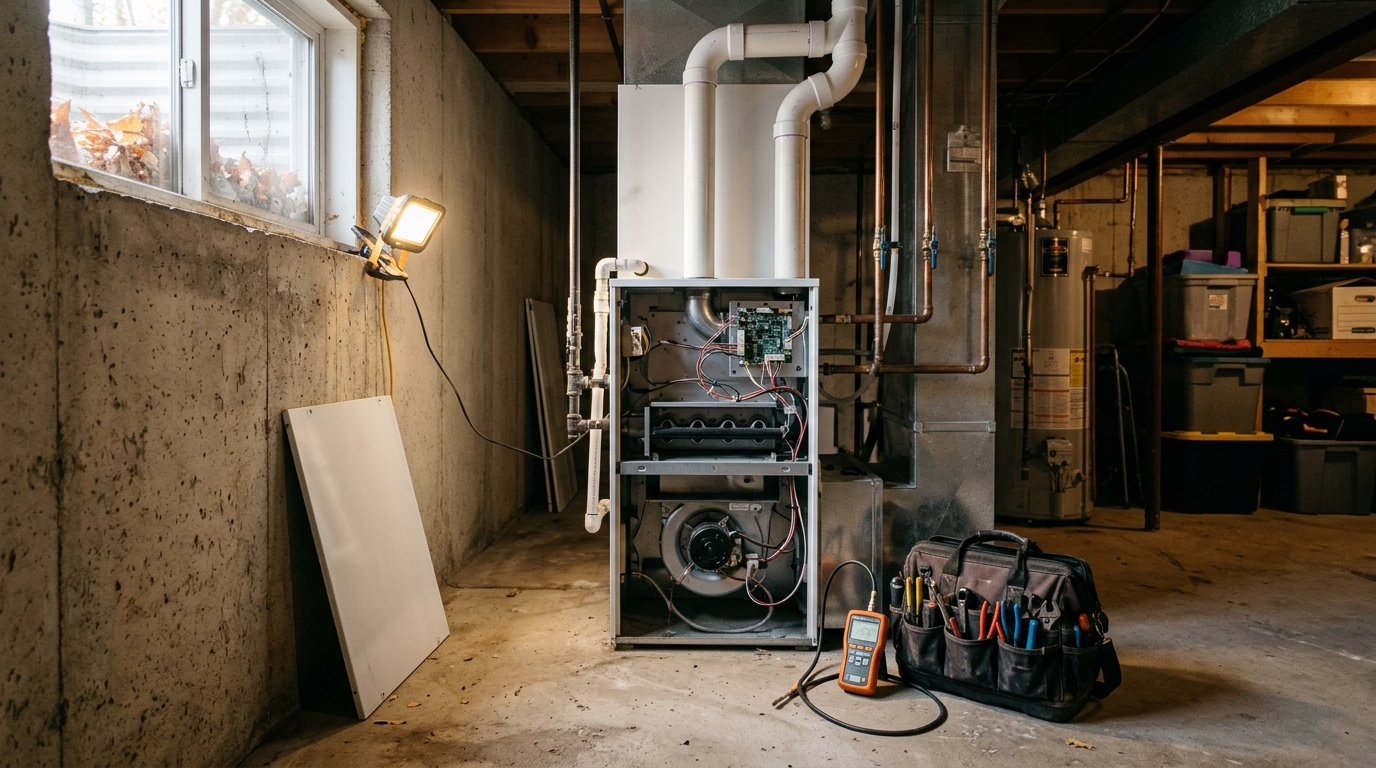
When we come out for a smell, we start with safety: checking for gas leaks and carbon monoxide before anything else. Then we work through the parts of the furnace that the smell points to:
- Burners and flame: whether the flame is clean and steady
- Heat exchanger: checking for cracks, corrosion or signs of overheating
- Venting: making sure the vent pipe is connected, sloped correctly and clear, and that the outdoor pipes are not blocked
- Blower and motor: checking for overheating, worn bearings and loose belts on older units
- Wiring and controls: looking for loose or scorched connections and testing the safety controls
- Filter and condensate system: the simple things that cause a surprising number of calls
Before any repair, we explain what we found and what it will cost, so you can decide what to do. If you also hear a new sound from the furnace, our guide to what furnace noises mean can help you describe it.
Preventing furnace smells
Most of the smells in this guide are less likely on a furnace that is looked after:
- Change the filter regularly through the heating season.
- Keep the furnace area clear. Leave space around the cabinet and do not store anything flammable in the furnace room.
- Keep outdoor intake and exhaust pipes clear of snow.
- Test your CO alarms and replace them as the manufacturer recommends.
- Book a yearly tune-up, ideally before the first cold snap. A tune-up checks the burners, heat exchanger, venting and safety controls, which are the same parts behind most furnace smells. Our guide to what a furnace tune-up includes lists the checks.
Furnace smells in Chestermere and Calgary homes
Many homes in Chestermere and the newer Calgary communities have high-efficiency furnaces in a basement utility room that doubles as storage, which is why "something leaning on the furnace" comes up more often than people expect. Older homes may still have a mid-efficiency furnace sharing a metal chimney with the water heater, where venting problems tend to show up as a smoky or stale smell. Either way, the steps are the same: identify the smell, act on the serious ones right away, and have the cause found before the furnace keeps running.
Book furnace repair with Infinite Heating
Infinite Heating is a licensed and insured HVAC team based in Chestermere, serving Chestermere, Calgary, Airdrie, Strathmore and Okotoks since 2022. We offer 24/7 emergency furnace repair, and we tell you plainly what the equipment is doing and what a repair will cost before any work begins.
If your furnace smells like something is burning, learn more about furnace repair in Chestermere or furnace repair in Calgary, or contact us to book a technician.
This general information does not replace an on-site assessment by a qualified professional or the manufacturer's instructions for your furnace. If you smell gas or your CO alarm sounds, leave the home and call your gas utility or 911 from outside.