
The short answer
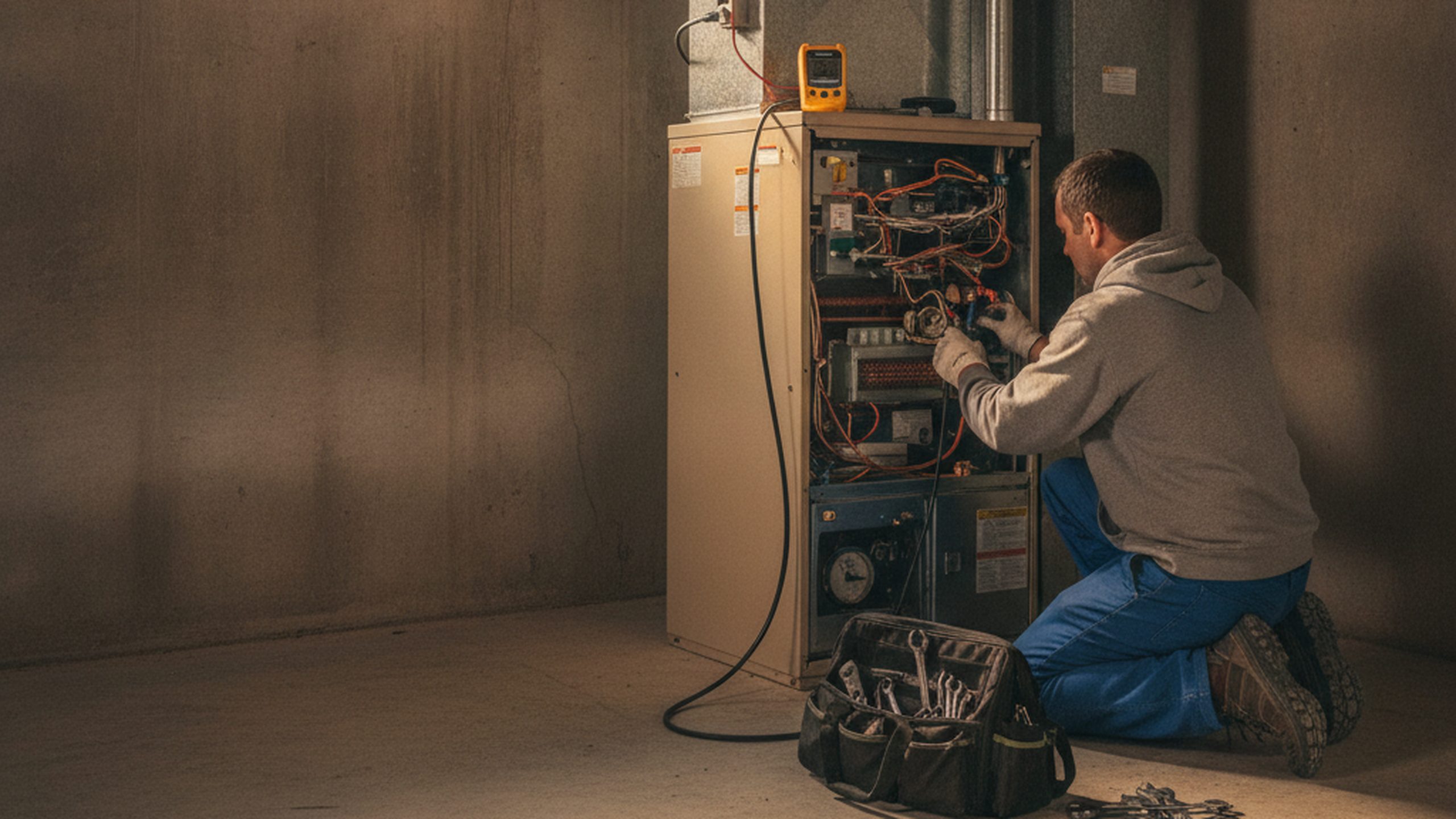
A furnace tune-up is a scheduled visit in which a technician inspects, cleans and tests your furnace so it runs safely and reliably through the heating season. A thorough tune-up covers the burners and ignition, the flame sensor, the gas pressure and connections, the heat exchanger, the venting, the blower, the electrical connections, the safety controls, the condensate drain on a high-efficiency furnace, and the air filter, followed by a full test run.
The best time to book one in Chestermere is early fall, before the first sustained cold. That is when a technician has time to fix a worn part on a planned visit rather than an emergency call. This guide explains what each part of a tune-up is for, how long the visit takes, and how to tell a complete tune-up from a quick once-over. If you already know you want one, you can book furnace maintenance with our team.
What a thorough furnace tune-up includes
ENERGY STAR's heating and cooling maintenance checklist lists the core tasks a contractor should perform. For a gas furnace, it starts with this: "Check all gas (or oil) connections, gas pressure, burner combustion and heat exchanger." It also lists tightening electrical connections, lubricating moving parts, checking the condensate drain and checking the system controls.
In practice, a complete tune-up for a Chestermere gas furnace should include:
- Burners and ignition. The burners are inspected and cleaned, and the igniter is checked for cracks and correct operation. Dirty burners and a weak igniter are common causes of delayed ignition and no-heat calls.
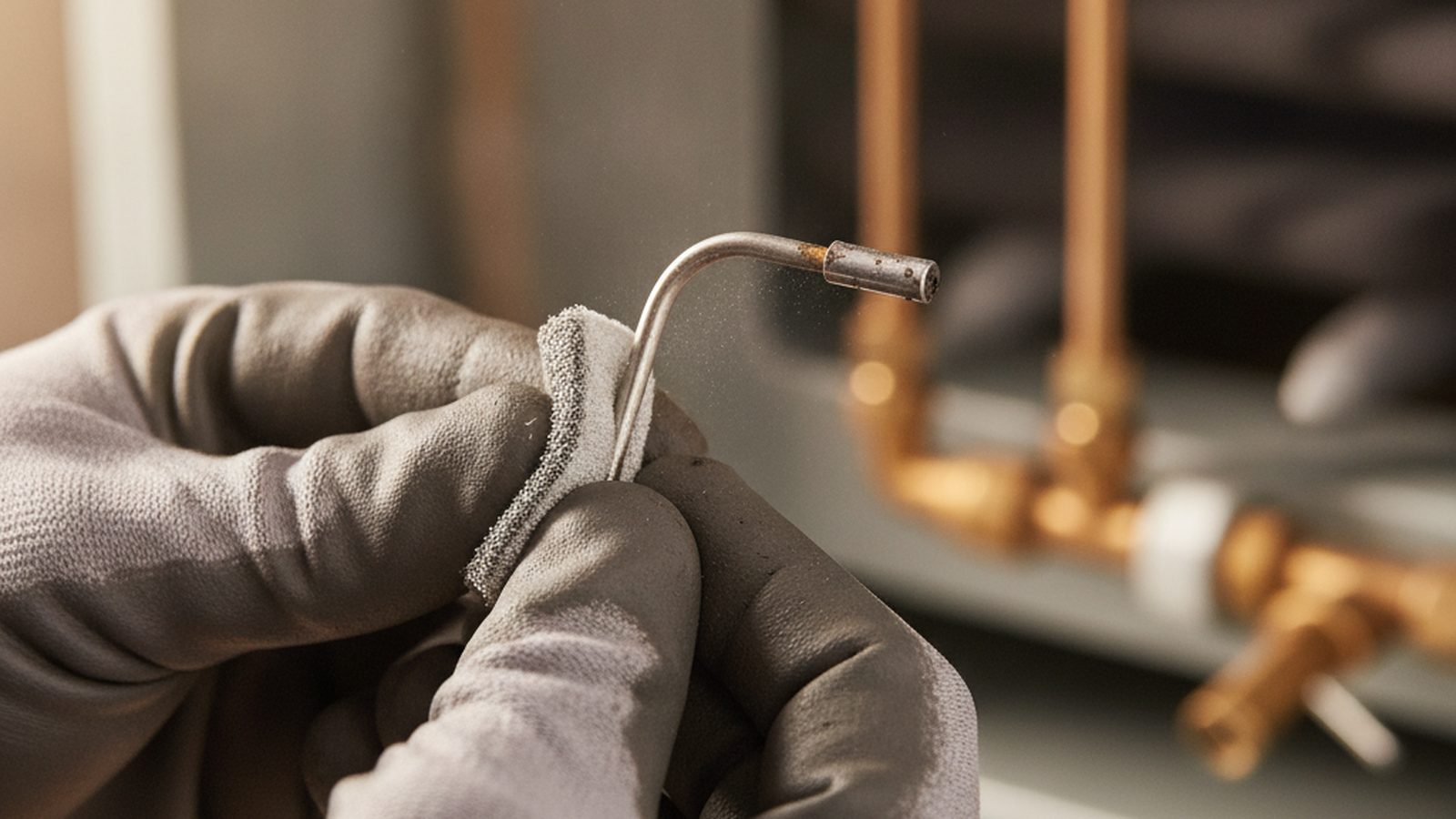
- Flame sensor. The flame sensor is cleaned. A coated sensor can make the furnace shut its burners off moments after they light.
- Gas pressure and connections. Manifold gas pressure is measured against the manufacturer's specification, and gas connections at the furnace are checked for leaks.
- Heat exchanger. The heat exchanger is inspected for cracks, corrosion or signs of overheating, because a damaged heat exchanger is a carbon monoxide risk.
- Venting and combustion air. The vent connector and, on high-efficiency furnaces, the intake and exhaust pipes are checked for blockages, sagging, leaks and proper support.
- Blower assembly. The blower wheel is inspected and cleaned if needed, the motor is checked, and moving parts are lubricated where the design allows.
- Electrical connections and controls. Connections are tightened, motor current is measured, and the control board is checked for fault codes.
- Safety controls. The high-limit switch, rollout switches and pressure switch are tested to confirm the furnace shuts down when it should.
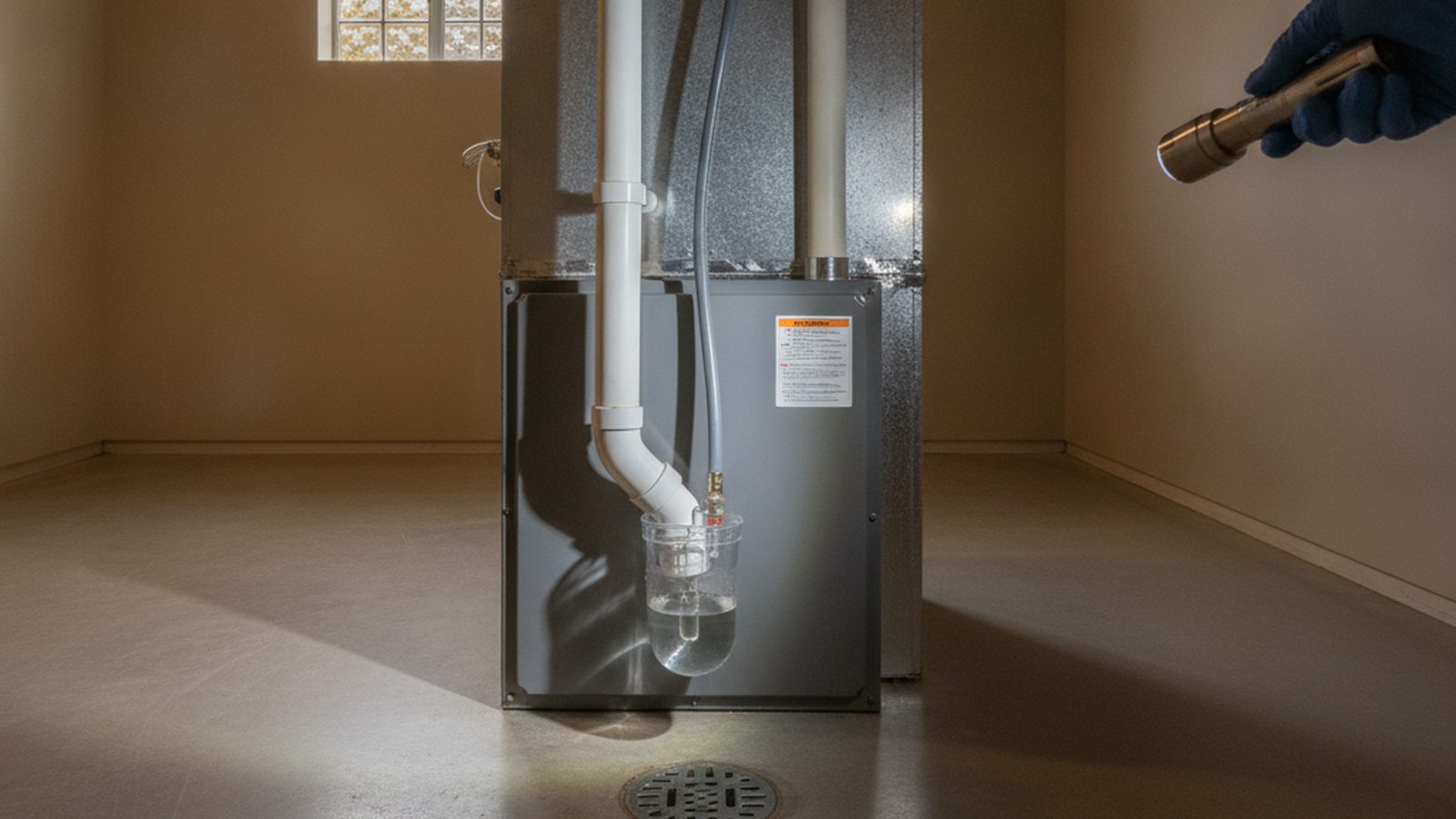
- Condensate system. On a high-efficiency furnace, the condensate trap and drain line are cleared and checked for leaks.
- Filter and airflow. The filter is checked and replaced if needed, and the temperature rise across the furnace is measured to confirm airflow is within the manufacturer's range.
- Thermostat and full cycle test. The thermostat is checked and the furnace is run through a complete heating cycle from call to shut-off.
At the end of the visit, you should get a plain-language summary: what was checked, what was cleaned, any readings that were outside the normal range, and whether anything needs attention now or can wait.
How long a furnace tune-up takes
For a typical residential gas furnace in an accessible basement, a tune-up usually takes about an hour, sometimes a little longer for an older furnace that needs more cleaning or a high-efficiency furnace with a condensate system to service. A visit that takes 15 minutes is unlikely to have covered the list above.
You do not need to do much to prepare. Clear a path to the furnace, move stored items away from it, and make a note of anything you have noticed: unusual noises, short cycling, rooms that never warm up, a light code on the control board, or a filter that clogs quickly. That information helps the technician focus on what matters for your system.
When to book a tune-up in Chestermere
ENERGY STAR's advice is simple: "it's best to check the cooling system in the spring and the heating system in the fall." In Chestermere, that means September to October, before the furnace starts running for long stretches every day.
Booking in the fall has practical advantages:
- Problems are found before you depend on heat. A failing igniter or a cracked heat exchanger is much easier to deal with on a planned visit than on a January night.
- Scheduling is easier. Once the first cold snap arrives, demand for furnace repair rises sharply across Chestermere and east Calgary.
- The furnace starts the season clean. Dust that settled on the burners over summer is cleared before it can cause ignition trouble.
If you missed the fall window, a tune-up is still worthwhile in early winter, especially if your furnace has not been serviced in more than a year.
Signs your furnace needs attention before its tune-up
Some symptoms are worth a call now rather than waiting for a scheduled visit:
- The furnace turns on and off every few minutes (short cycling).
- Burners light, then shut off within seconds, often a flame sensor issue.
- New or loud noises such as banging at start-up, squealing or grinding. Our guide to furnace noises explains what each sound usually means.
- Rooms are much colder than they used to be, or the furnace runs constantly without keeping up.
- A yellow or flickering burner flame instead of a steady blue one.
- Your carbon monoxide alarm sounds. Leave the home immediately and call your gas utility from outside. Do not wait for a tune-up.
If the furnace has stopped working altogether, our guide to what to do when your furnace stops working covers the safe checks to make first, and our furnace repair team can take it from there.
How to compare furnace tune-up offers
Tune-up offers can look very similar on paper. A few questions make them easier to compare:
- What is on the checklist? Ask for the list of tasks. If it does not mention the heat exchanger, gas pressure, safety controls and venting, it is not a full tune-up.
- Is the flame sensor cleaned and the condensate drain serviced? These are two of the most common causes of mid-winter shutdowns.
- Will you get a written summary? A record of readings and findings is useful the next time someone services the furnace.
- How are repairs handled? A good technician explains any problem, tells you whether it is urgent, and gives you a price before doing extra work. Be cautious about pressure to replace a furnace on the spot after a low-priced visit.
- Is the technician licensed for gas work? Furnace servicing in Alberta involves gas appliances and should be done by a qualified gas technician.
Why tune-ups matter in a Chestermere winter
A furnace in Chestermere works hard for a large part of the year, and its toughest weeks come during deep cold snaps, which is exactly when a breakdown is most disruptive and repair schedules are fullest. A tune-up does not guarantee a furnace will never fail, but it catches the most common failure points (dirty flame sensors, worn igniters, clogged condensate drains, blocked filters and loose connections) while they are still small, inexpensive fixes.
ENERGY STAR also notes that a dirty filter can "increase energy costs and damage your equipment, leading to early failure." Between tune-ups, checking the filter regularly and replacing it when it is dirty is the single most useful thing a homeowner can do. Our guide to preventing premature furnace failure covers the rest of the year-round habits.
If your tune-up turns up a furnace near the end of its life, a technician should explain the options plainly. Our guide to the signs you need a furnace replacement can help you weigh a repair against a new system.
Book a furnace tune-up in Chestermere
Infinite Heating is a licensed and insured HVAC team that has served Chestermere and nearby communities since 2022. Our furnace tune-ups work through the full checklist above, and we explain what we found in plain language before recommending anything. If a repair is needed, you get a clear price first, and furnace repairs carry a one-year parts and labour warranty.
Learn more about furnace maintenance in Chestermere, or contact us to book your fall tune-up.
This general information does not replace an on-site assessment by a qualified professional or the manufacturer's instructions for your furnace. If you smell gas or your CO alarm sounds, leave the home and call your gas utility from outside.