The short answer
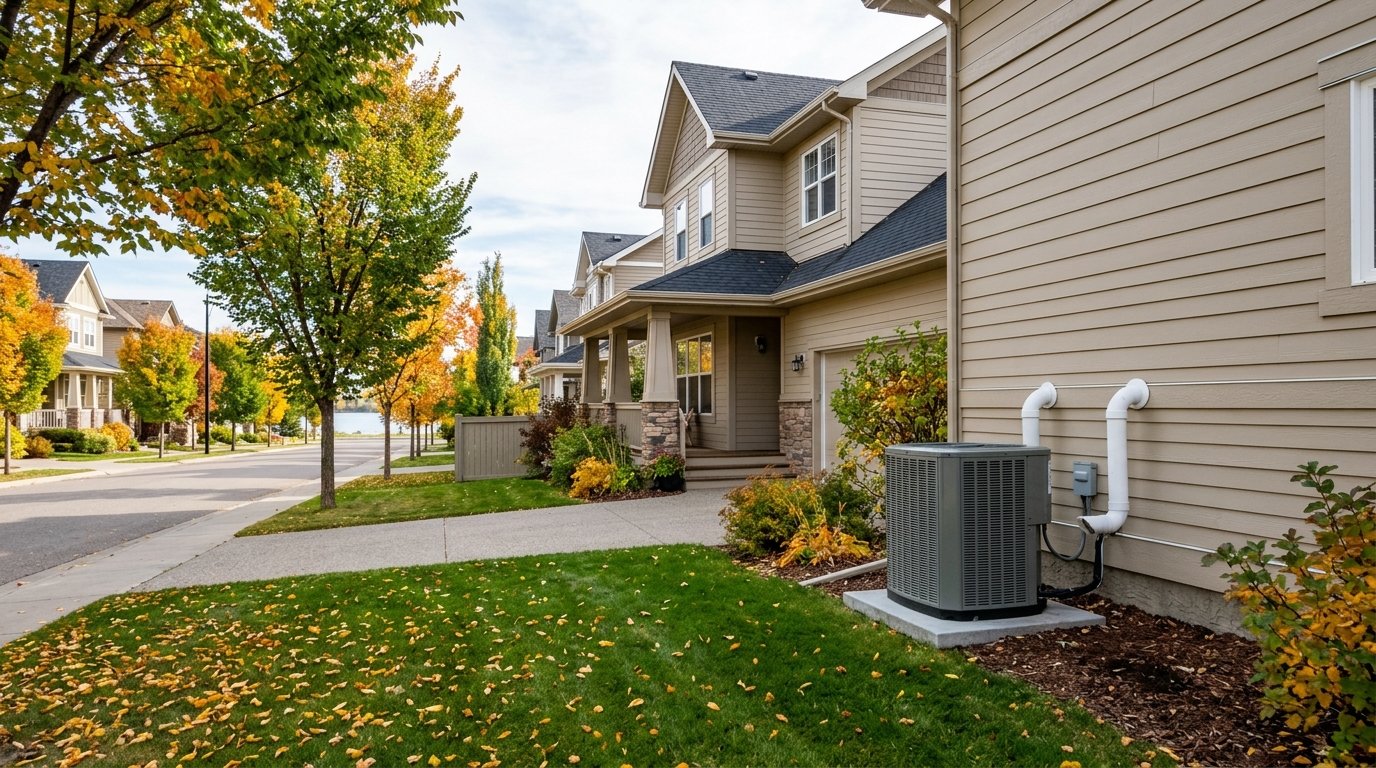
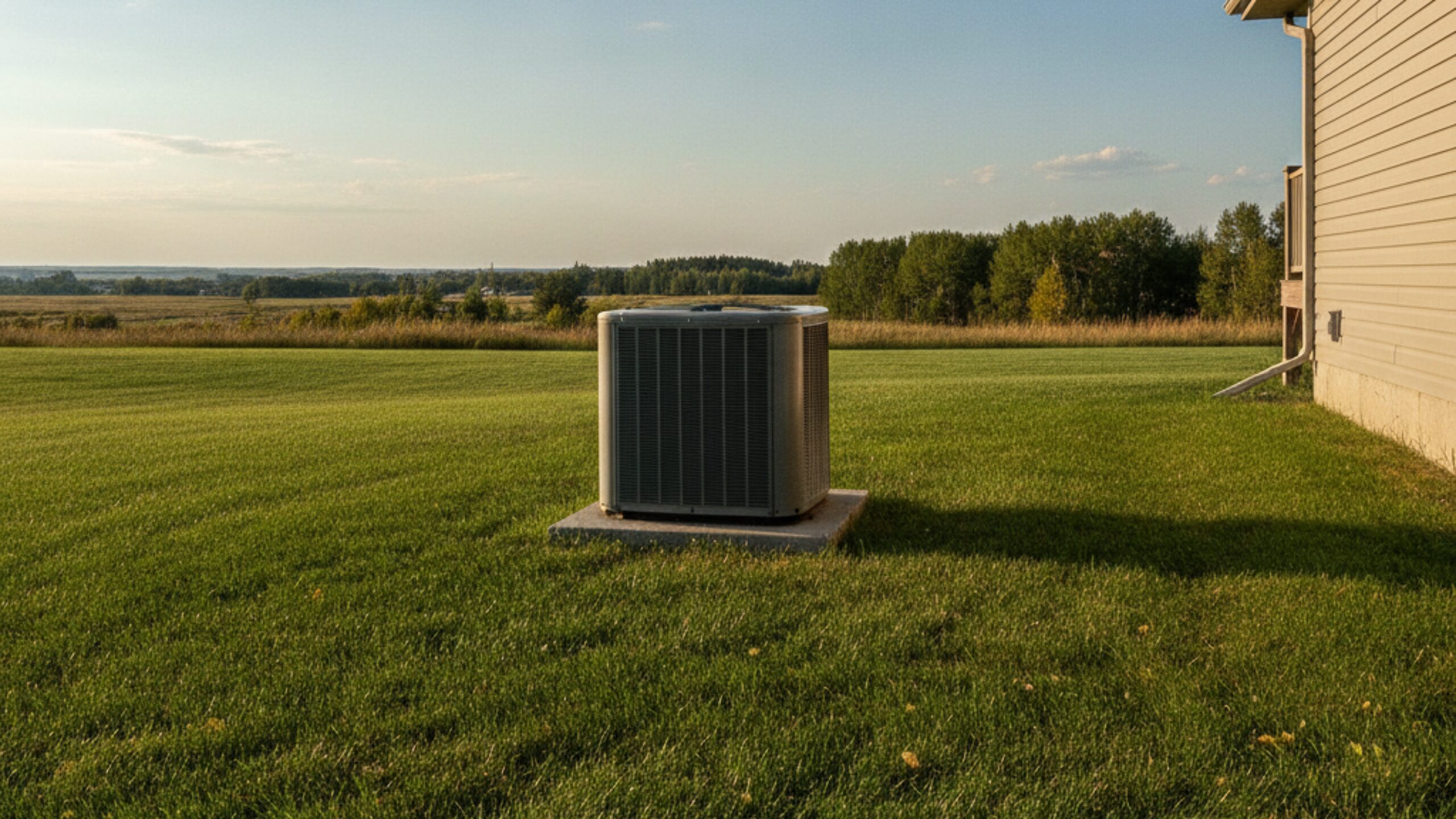
Air conditioner replacement cost in Chestermere depends mostly on the size of the system your home actually needs, the efficiency of the new unit, whether the indoor coil and refrigerant lines are replaced along with the outdoor unit, and how much electrical and installation work the job involves. Two homes on the same street can get very different quotes for the same brand, because the house, the furnace the coil sits on and the existing lines are different.
That is why an honest price comes after someone has looked at your home, not before. What you can know in advance is what moves the number, what a complete quote should include, and which shortcuts make a cheaper quote cost more later. That is what this guide covers. If you are already planning, our air conditioner replacement in Chestermere service starts with a look at your current system, ductwork, electrical and cooling load before any options are discussed.
The six things that decide what a new air conditioner costs
1. The size your home actually needs
Central air conditioners are sized by cooling capacity, usually described in tons. A bigger unit costs more to buy and install, so getting the size right is the first thing that sets the price.
The right size is not whatever was there before. Natural Resources Canada's guide to air conditioning your home says cooling loads should be determined by a qualified air-conditioning contractor using a recognised sizing method such as CSA-F280, and warns against relying on simple rules of thumb. An oversized unit cools the house in short bursts and does a poor job of removing humidity. An undersized one runs for long stretches on the hottest afternoons and still falls behind.
Many Chestermere homes have had windows, insulation or a finished basement added since the original air conditioner went in, so the load may have changed. A proper assessment takes that into account.
2. Efficiency (SEER)
The seasonal energy efficiency ratio, or SEER, measures how much cooling a unit delivers over a whole season for the electricity it uses. Higher SEER units cost more up front and less to run.
How much that matters here is a fair question. Our cooling season is short compared with much of Canada, so the extra cost of a top-efficiency unit takes longer to pay back in Chestermere than it would somewhere with long, hot summers. For most homes, a well-installed, correctly sized unit of solid efficiency is a better use of money than the highest SEER on the market. If you plan to stay in the house for many years, or you run the AC a lot, a step up can still make sense. The installer should be able to show you the difference in plain terms.
3. Whether the indoor coil is replaced too
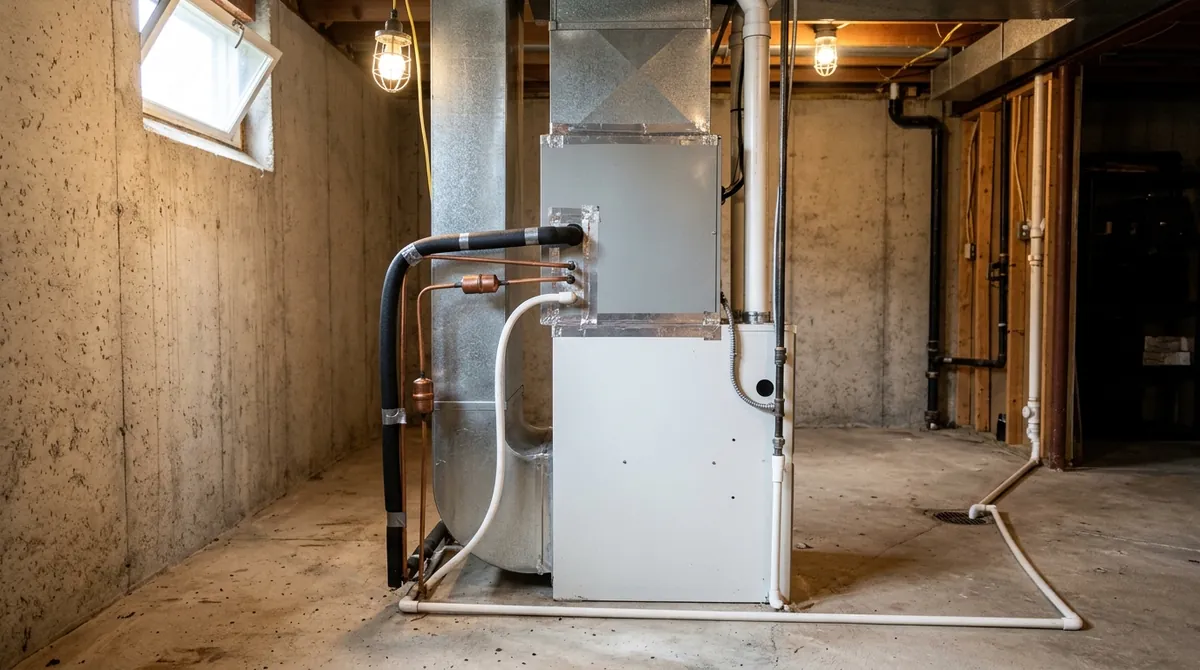
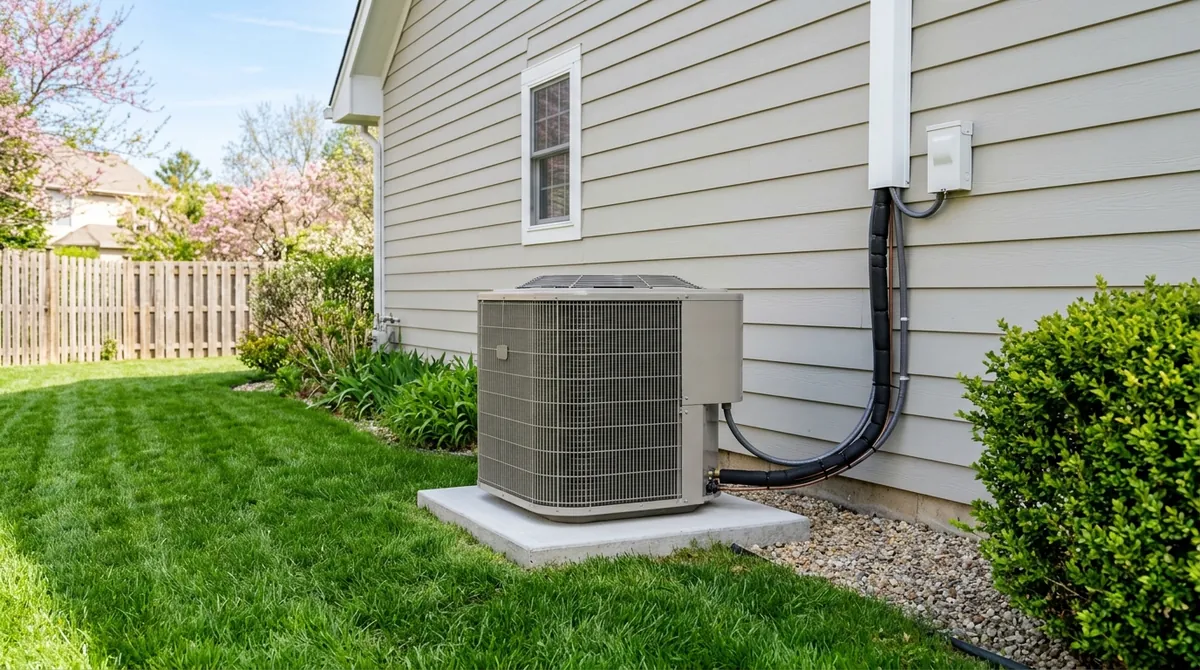
A central air conditioner has two halves: the outdoor unit with the compressor, and the indoor coil that sits on top of your furnace. The cheapest quote often replaces only the outdoor unit.
NRCan is clear on this point. Its guide says that when an existing central air conditioner is replaced, the existing indoor coil should be replaced by one matched to the new outdoor unit, because if it is not, the new unit will not deliver its rated efficiency. It also explains that the SEER rating is based on tests of the two components working together, so pairing a new high-SEER outdoor unit with an old coil gives an unknown efficiency.
A matched coil adds to the price, but it is the difference between getting what you paid for and not. If one quote is much lower than the others, check whether it includes the coil.
4. The refrigerant lines and the refrigerant
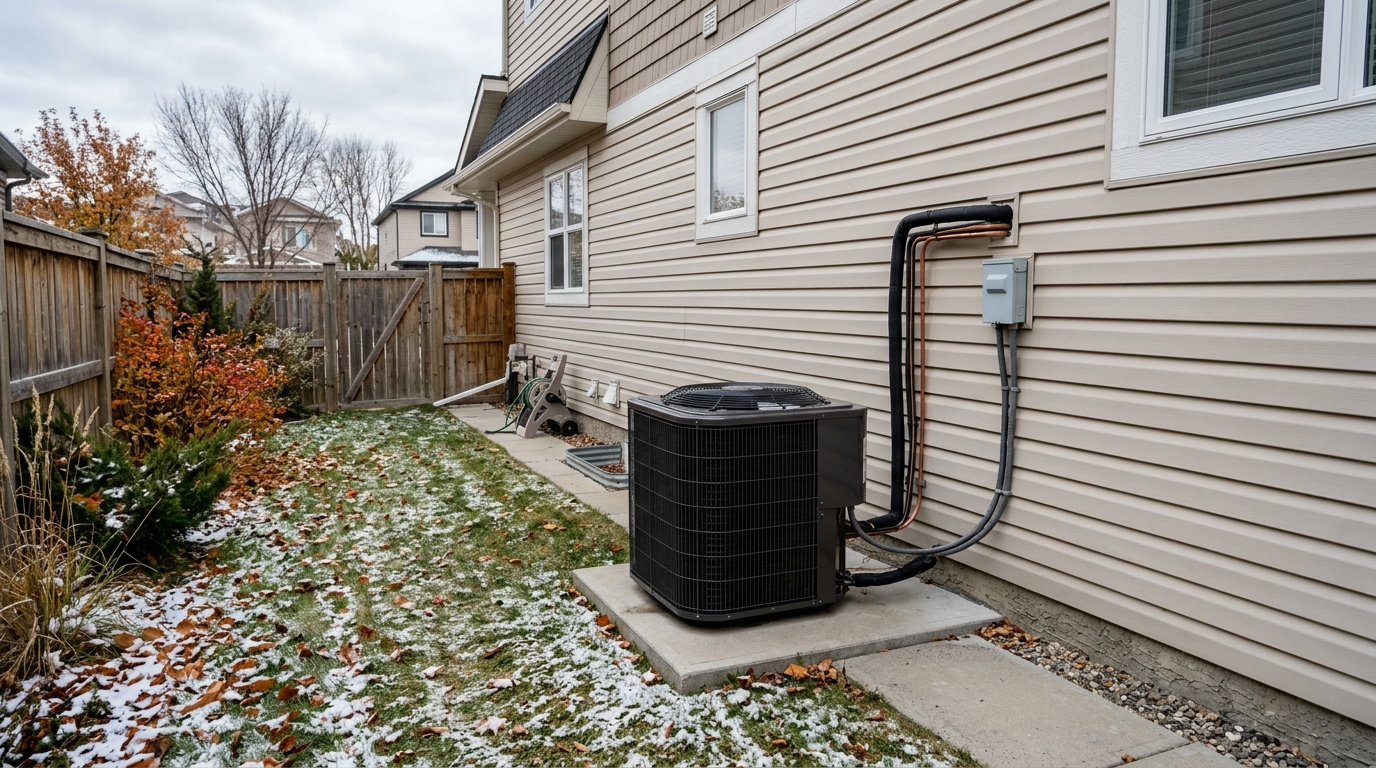
The copper line set carries refrigerant between the outdoor unit and the indoor coil. Whether it can be reused depends on its size, its condition, the refrigerant the new system uses and the manufacturer's installation requirements. Replacing it, especially where the lines run inside finished walls or ceilings, adds labour.
Older systems often use HCFC-22 (R-22), which is no longer used in new equipment. If your current air conditioner is old enough to run on it, a full system replacement rather than a part swap is usually the realistic path, and the line set needs a close look.
5. Electrical and installation work
Some jobs are a straight swap. Others need more. Things that can add to the cost include:
- Electrical work. A new disconnect, a breaker or wiring that suits the new unit's requirements. NRCan notes that the cost of installing a central air conditioner varies with whether the electrical service needs an upgrade for the added load.
- The pad and placement. A sunken or cracked pad, or a unit that needs to move because of a deck, fence or a side yard that is too narrow.
- Ductwork. If the existing ducts are undersized or the furnace blower is not suited to the new coil, some changes may be needed.
- The furnace it sits on. If your furnace is near the end of its life too, it can be worth replacing both at once, since the coil and furnace are designed to work together.
- Permits and removal. Permit requirements, refrigerant recovery from the old system and disposal of the old equipment should all be in the price.
6. Timing
Air conditioners are easiest to plan for when nobody needs one. Waiting until the old unit fails on the first hot week of summer means choosing in a hurry, from whatever equipment is available, during the busiest part of the season. Getting a quote in fall or winter gives you time to compare options and schedule the install for spring before the heat arrives.
What a clear air conditioner replacement quote should show
Whoever you hire, a quote you can compare should spell out:
- The make, model number and capacity of the outdoor unit and the indoor coil
- The efficiency rating of the matched system, not just the outdoor unit
- Whether the line set is being replaced or reused, and why
- Any electrical work, pad work or duct changes included
- Removal and disposal of the old system, and refrigerant recovery
- Permits, start-up and testing
- The manufacturer's equipment warranty and what is covered, and how long the install takes
If two quotes are far apart, the gap is almost always in this list. One includes the coil and the line set, and the other does not.

Repair or replace first?
Not every struggling air conditioner needs replacing. A failed capacitor, contactor or fan motor on an otherwise healthy unit is usually worth repairing. NRCan's guide puts the life expectancy of a central air conditioner at 15 years or longer, and says that when it starts giving more problems than seem cost-effective to fix, particularly when a major component such as the compressor needs replacing, it may be time to replace it.
Our guide on whether to repair or replace your air conditioner walks through that decision in detail. If you are not sure what is wrong with the current unit, start with air conditioner repair and get the fault diagnosed before pricing a new system.
A Chestermere example
Picture a two-storey home in an established Chestermere community with a central air conditioner from the mid-2000s on the side yard and the original coil on top of a furnace that was replaced a few years ago. The AC still runs, but it struggled through the last hot spell and needed a refrigerant top-up two summers in a row.
A careful quote for that house would start with a load calculation, since the basement has been finished since the original unit went in. It would include a new outdoor unit and a coil matched to it, since the old coil is the same age as the outdoor unit. It would check whether the line set suits the new refrigerant, and confirm the electrical disconnect and breaker. Because the furnace is fairly new, there is no reason to replace it. Planned in November, the install can be booked for spring, well before the first hot week.
Ways to manage the cost
- Plan in the off-season. You get time to compare quotes and to choose equipment rather than taking whatever is in stock in July.
- Get the size right. A correctly sized unit costs less than an oversized one and works better.
- Compare like with like. Line up the quotes against the checklist above before comparing prices.
- Ask about financing. Infinite Heating offers Financeit financing, subject to approval and terms, so a replacement can be spread over monthly payments instead of paid all at once.
- Look after the new system. Yearly air conditioner maintenance keeps the coil clean and catches small problems early, which protects what you have spent.
Plan your air conditioner replacement
Infinite Heating is a licensed and insured HVAC team based in Chestermere, serving Chestermere, Calgary, Airdrie, Strathmore and Okotoks since 2022. We look at your home, your current system and what it needs, explain the options in plain terms, and give you a clear, itemised quote with matched equipment before any work is booked.
Book air conditioner replacement in Chestermere, contact us, or call +1 403 899 3420.